Interview overview
Aki Left the Lab for Shipping Code—and Eventually Brought the Family to Vancouver
Toshiba research, Cookpad side-dish recommendations, Cloudera, an O’Reilly machine-learning book, then Treasure Data: bets on building things people use—and proving impact hard enough to relocate.
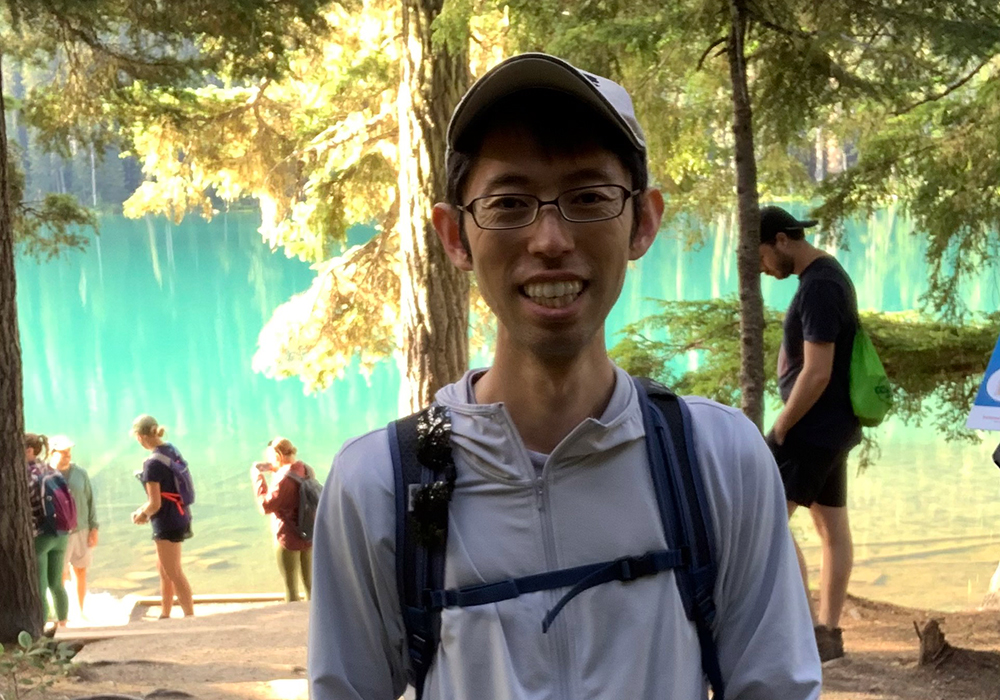
Today Aki is a Staff Software Engineer at Treasure Data in Vancouver, writing Rails server-side code for a marketers’ data platform—pipelines and generation work more than the NLP and machine learning that once defined him. He works as an individual contributor, still close to the keyboard.
He started in Toshiba’s research labs after an electrical-engineering path at university, choosing a manufacturer’s institute when academic research felt like struggling without clear problems or answers. NLP and spoken dialogue R&D included a TV-subtitle scene-classification product that reached end users—an unusual win where most results never ship. Patents and papers weighed more than code; approval stamps stood between ideas and customers. He wanted moving software that made someone smile.
A blog post drew a recruiter who essentially said he could pick anywhere; he chose Cookpad to be “the worst” among Japan’s strongest Ruby people, echoing Chad Fowler. In under three years he shipped features where front and back were not split—Rails plus CSS, HTML templates, and JavaScript. The side-dish recommender grew from his own kitchen frustration: weak cooking skills, weekend kids’ meals, always the same main dish. Cookpad’s culture blurred engineering versus planning lines; customer value debates pulled everyone in.
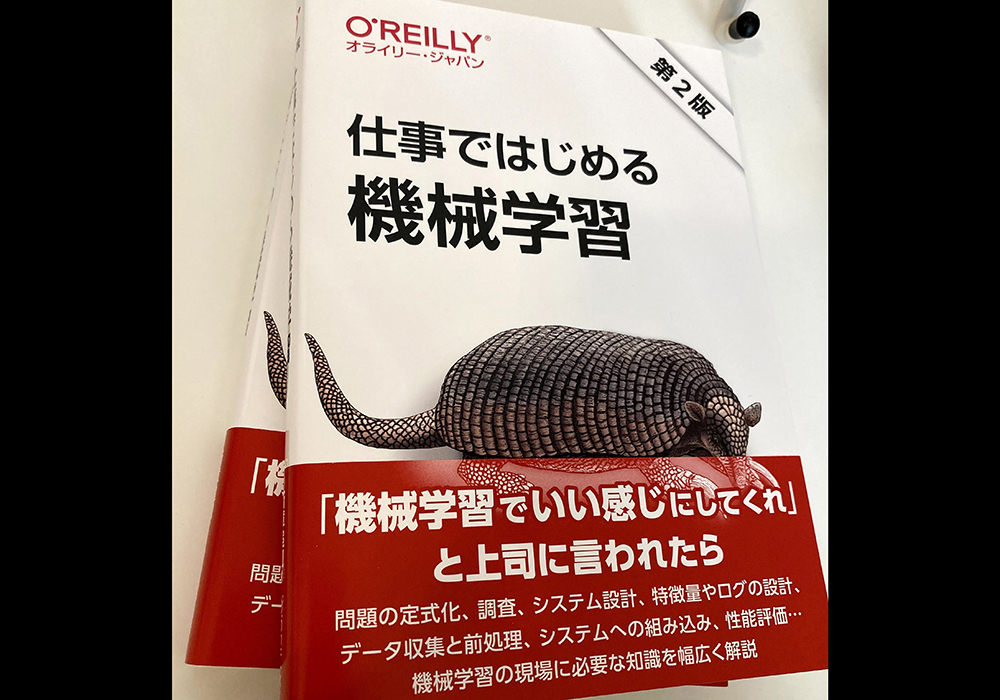
Pixel-perfect CSS from designer mocks never thrilled him; data and machine learning applied to business did. Cloudera, with U.S. headquarters and a path that might lead abroad, fit—helped by a connection forged managing communities in the game Ingress. An O’Reilly practitioners’ machine-learning book begun while at Cookpad stalled through the job change, revived as a technical doujinshi project, then published after about a year of real writing time across roughly two calendar years of stops and starts, plus a magazine contribution.
He joined Treasure Data aiming at companies that could relocate people. Early HR talk vanished when that person left; months later, then-CTO Ota said relocation needed proven results and a recommendable letter. Aki contributed large feature releases and Digdag workflow expansions—adding Python where SQL had ruled—and ran internal ML workshops. The ML team later dissolved; his Staff title had been there from day one. Relocated to Vancouver, he gained permanent residency in December 2022, about a year and eight months after moving, with company help on process and cost.
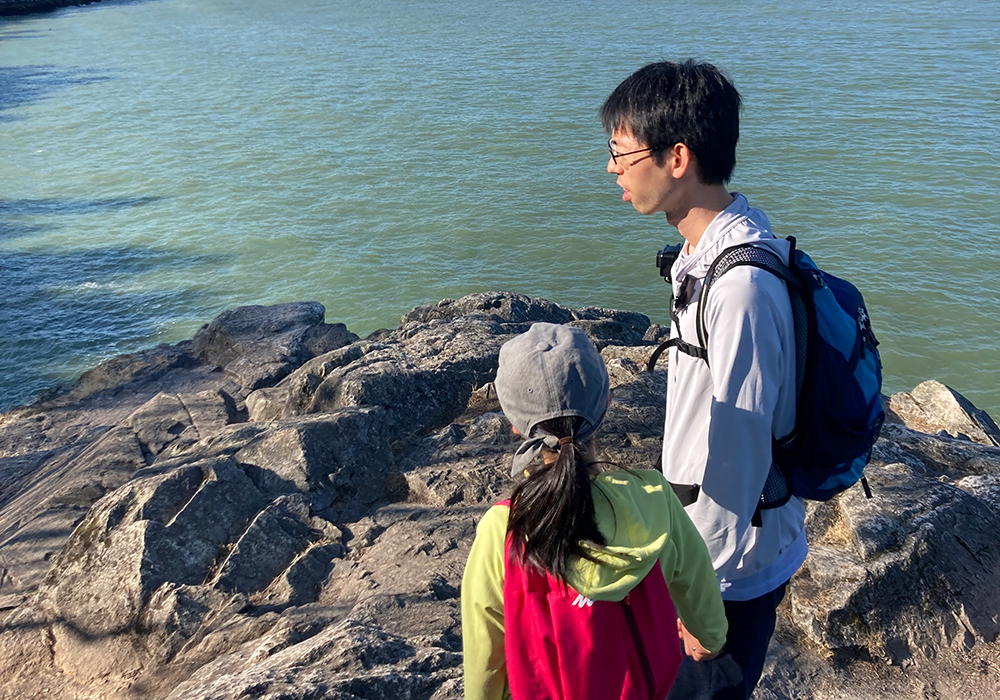
Family life sold him on the city: hikes, off-leash dog parks, diversity that makes difference feel normal, and a culture less obsessed with forcing kids into one mold. Rent aside, friends struggle to name somewhere better. He advises engineers facing AI tools to touch them until fear shrinks—treat them like calculators after abacuses, useful instruments rather than enemies.
Photos from the interview
This page is an English overview of Frog’s Japanese interview—not a full translation. Read the original interview (Japanese)