
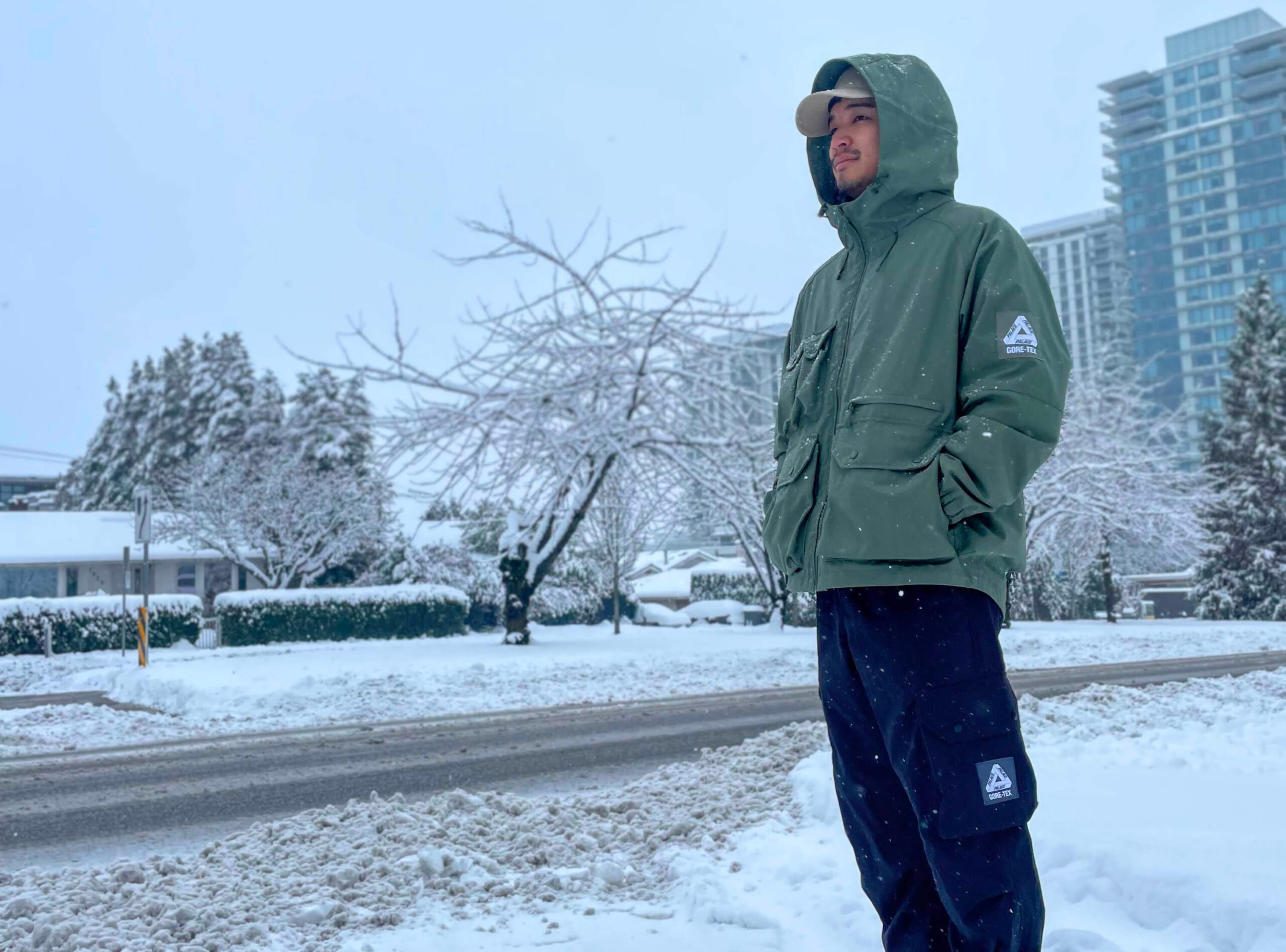
Interview overview
Junya Used PEO to Win Permanent Residency in Two Years—Then Learned PR Alone Doesn’t Soften the Job Hunt
Six years of Japan engineering experience, a spouse who wanted the same overseas bet, and a Japanese client under Frog’s PEO scheme got him to PR by June 2023. Betr’s backend seat came only after a bruising local search that shattered the myth of “PR equals easy.”
Junya arrived in Canada in May 2021 and held permanent residency by June 2023—about two years, via Frog’s PEO path rather than the classic college–Co-op–working-holiday marathon. He now backends at the startup Betr. The interview is as much about what PEO unlocks as what it can hide if you stop aiming at local work.
He began at CICCC for visa scaffolding more than learning; with six Japan engineering years, sitting through beginner curricula felt draining within a month or two. He and his wife both wanted overseas work and liked the country enough to plan long-term, which flipped the question to fastest credible PR. Full Co-op plus working holiday could still take three years—risky for their finances. COVID-era reality meant working holiday was barely usable; people around him already held PR or employer-sponsored status. Hearing Yuya’s PEO story clicked: join a Canadian partner company through Frog, keep taking projects—including his existing full-time-style Japan freelance contract—school optional, open work permit for his spouse, clock running toward status.
Japan backstory mattered. After about four and a half years at a web company, politics and pay pushed him freelance into a merit-linked setup that fit him; North America felt more performance-shaped despite layoff risk. His wife shared the overseas urge. Decision criteria for dropping school at three months were speed, certainty, and cost of stable status—with roughly two years of contracted work already lined up.
PEO solved the visa bottleneck he feared most—not whether he could eventually get hired with experience, but whether status would strand him. After the Japan contract formally ended at end of 2023, real local hunting began in early 2024—about two months, ~90 applications, ~15% document pass rate, ~10 interviews, one offer. PR did not dazzle employers; they asked whether visa sponsorship was needed. “I have PR” got a shrug. What PR bought was psychological room, not magic leverage.
He had delayed prep while closed work permits felt safe—and English atrophied on Japan-only projects. Language-exchange chat helped socially more than interview talk; Pramp mock coding interviews revealed how hard it is to explain algorithms aloud in English. A Canadian engineer friend from Tandem coached resumes and mocks. He targeted PHP-heavy and fullstack roles at Intermediate and Senior, Japan jobs off the table. Frog Book Club peers already working locally raised his urgency and pushed him to lead work that would read cleanly in interviews.
His wife, an early-childhood educator with roughly eight years’ experience and mid IELTS English, struggled through normal resume–interview–reference steps but used sub-teacher stints across centers (including UBC and YMCA connections) as a bridge. Junya recommends PEO especially when a capable spouse can also work—two incomes change the math—and warns against letting Japan-only remote years become a body abroad without the overseas career you came for. He is not chasing U.S. relocation; Senior and fullstack growth in Canada come first, with Japan return only if the role truly uses the abroad years.
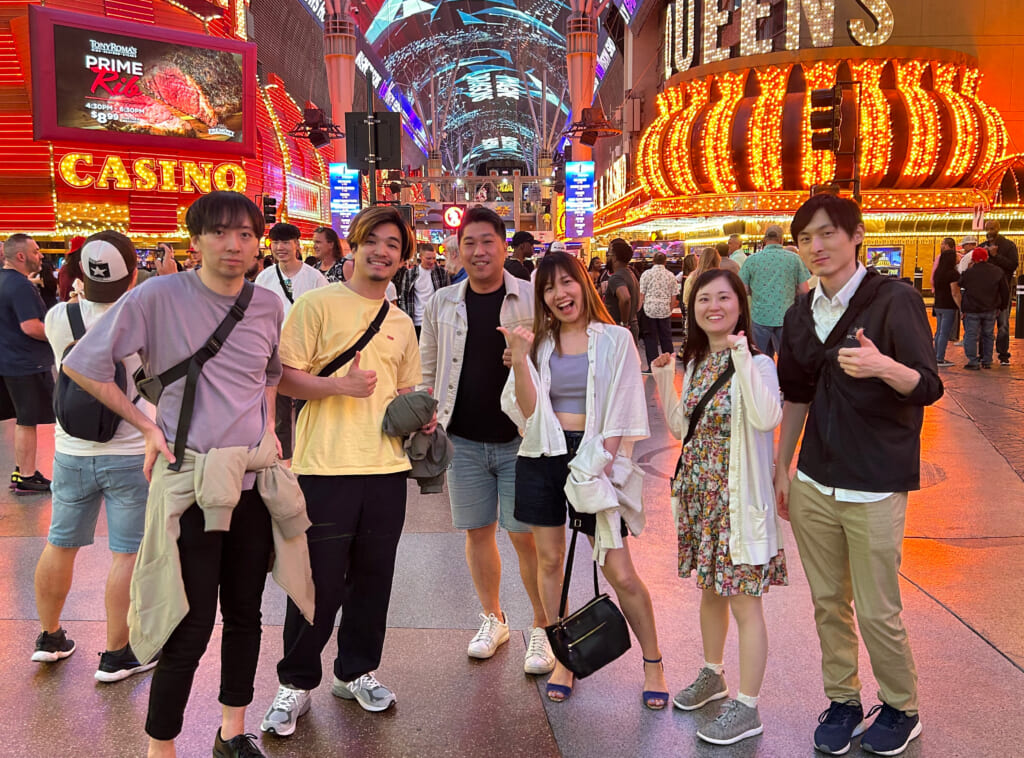
Photos from the interview
This page is an English overview of Frog’s Japanese interview—not a full translation. Read the original interview (Japanese)