

Interview overview
Kaai’s Long Loop: Apparel Design, CICCC Canada, and U-NEXT
A designer who moved through fashion retail, a Philippines IT English bootcamp, and CICCC co-op years in Canada eventually returned to Japan—and into product design at U-NEXT—still weighing whether another Canada chapter belongs in the story.
Kaai’s interview reads less like a single leap abroad than a vitality tour across industries and countries. Attributes place her in her twenties as a product designer at U-NEXT after design-related Japan experience and a college route through Canada. Confidence on city and timeline details is marked low, and the piece itself keeps circling a life habit: she would rather risk doing than carry the regret of not trying to the grave.
Japan years braided fashion college with roughly two years of retail internship that occasionally spilled into design help, interior-office work, and about two years at an apparel venture spanning branding and e-commerce site builds—including proposing brand-wide visual direction. Early HTML from school and home, plus CSS seminars, seeded the technical edge. After about three months in the Philippines on an IT English bootcamp path, she spent roughly a year at a PHP workplace via placement where front-end expectations and reality diverged in ways she still discusses frankly.
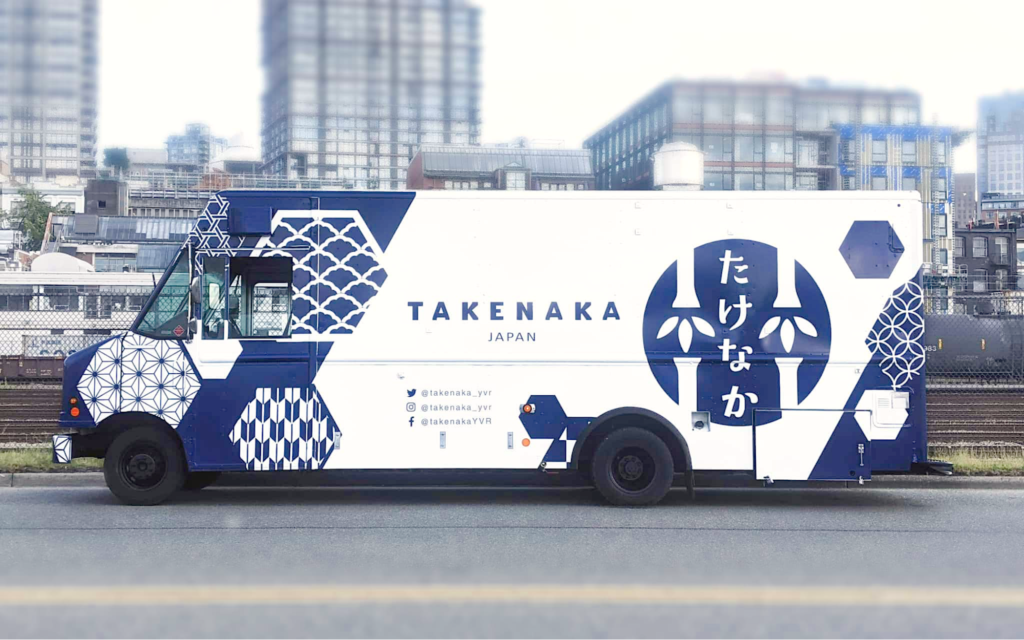
Frog guidance steered her toward CICCC’s co-op path plus working-holiday runway when a longer BCIT designer co-op looked mismatched to her language level and clock. She chose CICCC Web Development over iOS because backend-heavy options felt riskier. A first Canada role arrived unpaid through a CICCC career counsellor. Later she found a Chinese-company Shopify extension product—AI recommendations for shoppers—via Indeed and network. The pandemic forced a Japan return while remote work continued; freelance chapters followed, including Takenaka Food Truck design, alongside attempts to reactivate working-holiday timing.
Networking and openly sharing her status became habits as much as tools. Canada years put her inside local production rhythms rather than only classroom portfolios; they also taught how fragile authorization and markets can be when borders slam shut.
At interview she had been roughly a year into product design at U-NEXT—inbound LinkedIn interest after Japan return helped open that door—and she no longer codes in the role. She openly weighs whether to root in Japan, attempt Canada again amid a weak market, or try other countries later. Overseas study was never framed as a one-way ticket, and Japan product work is not framed as failure of the abroad dream.
What she offers readers is tempo. Apparel deadlines, bootcamp intensity, co-op accountability, pandemic improvisation, and streaming-era product design all demanded different kinds of stamina. She collected them anyway. For Frog’s audience the useful residue is not a clean “Canada hire” headline—attributes leave months-to-offer and city blank for the current Japan role—but a designer who treated geography as revisable while craft kept compounding.
Even the low-confidence gaps in attributes—city null, months-to-offer null—fit the story’s shape: her current chapter is Japan product design after Canada, not a single geo-pinned hire date. The overview’s job is to introduce that looping interview, not to invent a missing Vancouver employer line.
Photos from the interview

This page is an English overview of Frog’s Japanese interview—not a full translation. Read the original interview (Japanese)