
Interview overview
Kay and Hideto: Two Career-Changer Front-Ends, One Shared House
A dual interview follows Kay (telecom SIer project manager turned BCIT path) and Hideto (Seattle consulate civil servant turned private-college path) as both land Vancouver front-end roles without Japan web product experience.
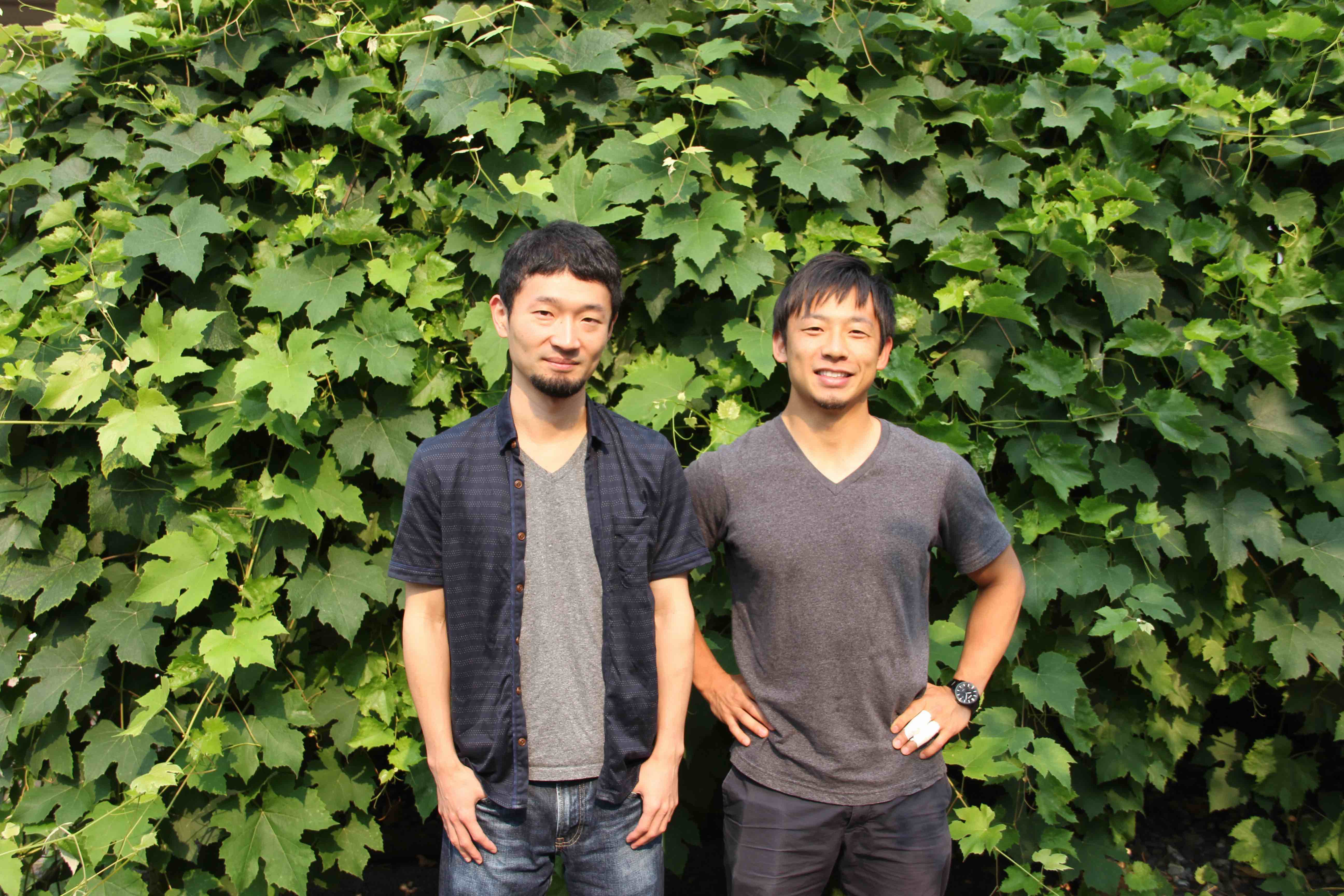
Kay and Hideto sit for a joint conversation as proof that “career changer” is not one template. Both lived at Frog House; both became front-end engineers in Vancouver without Japan web product credentials; attributes leave employers, exact timelines, and application counts thin and confidence low. What the interview supplies instead is contrast—public college versus private college, telecom project management versus consular civil service—and a shared arrival feeling: the web craft had to be built here.
Kay is framed as the more senior hire—roughly two years working and about four years since study start—while Hideto had been employed only a few months when interviewed and came from a non-IT background. Kay’s Japan years as a project manager at a major telecom-related SIer included programming through new-hire training and OJT on legacy systems, yet not the modern web product loop he sought abroad. Hideto’s prior chapter ran through civil-service life at the Seattle consulate from about 2012 to 2015—roughly three years—with zero programming before Canada.
Both sought portable maker skills and less constrained work options than prior roles allowed. Kay planned around BCIT’s New Media Design world—broad web, video, marketing, and law-flavored curriculum—and chose Vancouver to match. Academic English came relatively strong; daily native-speed conversation still demanded work. His BCIT internship window of about a month included systematic outreach, even tracking email subjects. Hideto chose Vancouver largely for Frog community support; private-college coursework felt shallow, so connections, classmates with backend experience, and self-study mattered more.
After hire, Kay describes agency and creative-market realities—front-end plus CMS, Shopify and WordPress customization, often Sage—and possible Japan next steps. Hideto works at a production-oriented startup: front-end on a Rails-based CMS and WordPress/Sage projects alongside Kay, emphasizing confidence from learning web from zero in about a year. Their shared view is blunt: college alone does not create hireability versus locals and graduates.
Living under the same Frog House roof made the comparison intimate—shared kitchens, shared job-market folklore, divergent study calendars. Together they complicate tidy advice. There is no single correct school logo, only honest inventory of prior strengths and the humility to become junior on purpose.
Vancouver hired both. The magazine value of the double portrait is the permission it gives readers: if a telecom PM and a consular staffer can rebuild into front-end work, the blocker is less “wrong past job title” than “no deliberate rebuild plan.”
Their shared Frog House chapter is more than color: it is where two different school bets and two different Japan pasts collided into the same kitchen conversations about what hireability actually requires. The dual interview exists so readers can hear that collision instead of receiving a single sanitized success template.
Kay’s possible Japan next steps and Hideto’s still-fresh confidence after learning web from zero in about a year keep the dual piece from freezing either man as a finished statue. Readers meet them mid-career-change, employed, and still negotiating what portable maker skills should become next.
This page is an English overview of Frog’s Japanese interview—not a full translation. Read the original interview (Japanese)