
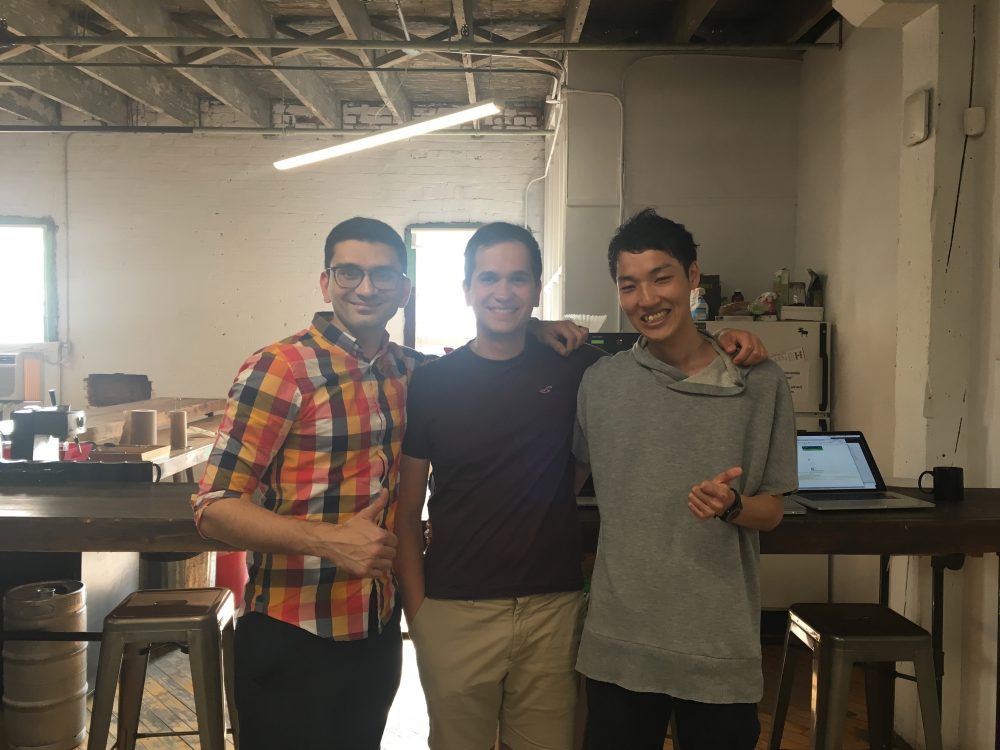
Interview overview
Keita Had Ten Months of Working Holiday Left in Toronto—and Still Got Hired Twice
Philippines English, Toronto language school, then a hunt with a short runway: he blasted AngelList, entertained unpaid offers as English immersion, and turned Flash/WebGL craft into React work—plus a second offer that arrived as the visa died.
Keita reached Toronto in September 2016 after four months in the Philippines for English and two more months of language school on a working holiday. Student visas were off the table; timing was too tight. When hunting began in early November, roughly ten months of authorization remained. An offer landed by late December. He worked that role through August 2017, applied near the end to a company he had long wanted, got a call around the final visa day, returned to Japan for paperwork, and—when Frog interviewed him in November 2017—had just received a work permit and planned to fly back within a week or two.
Japan had meant advertising production: Flash animation and WebGL-heavy portfolio pieces Senna called top-tier among many he had seen. The first Toronto job barely used that motion muscle; it was React apps at a roughly ten-person product startup in a shared office full of tiny teams. Meetups four or five times a month early on did not yield jobs but served as free conversation practice. He applied wherever “frontend” or “JS” appeared—no luxury of pickiness when experience was the priority.
AngelList, tipped by a local, became the volume channel: about fifty Toronto frontend messages, many offering unpaid internship or volunteer seats. He answered that English immersion and a future reference mattered more than pay. Replies poured in; he ignored most. One company eventually hired him paid. Senna worried about burning a working-holiday year on weak shops; Keita framed unpaid work as not the goal but a way to feel local temperature while still sending resumes an hour a day—then leave when a better offer arrived, awkward as that feels.
The first company satisfied him on English exposure and designer/client talk, yet technical depth was thin—many juniors from six-month bootcamps—and payroll sometimes ran late. The second employer, larger and used to foreign staff and visas, treated sponsorship as obvious rather than a negotiation fight. Broken interview English mattered less than the portfolio; the new company even knew his Japanese ad-shop employer, a rare reference bridge for Japanese candidates without global brand names.
Senna presses a Toronto thesis Frog often hears: bigger capital, sharper health/AI/biotech niches, thinner “just web” scenes than Vancouver’s stepping-stone startups. Keita still saw React/Angular product companies and Japanese developers inside them. The interview leaves the tension intact—Toronto is hard, and a short visa plus visible craft can still open two doors if you treat remaining months as fuel instead of a reason to wait.
Photos from the interview

This page is an English overview of Frog’s Japanese interview—not a full translation. Read the original interview (Japanese)