

Interview overview
Show, Don’t Tell: Kojiken Adds UI/UX and Wins a Startup Seat
After five years from full-stack work to team lead at a Japan e-book distributor, Kojiken used a six-month Vancouver UI/UX co-op—and clone proposals that demonstrated taste—to join a Canadian startup engineering team.
Kojiken (Kojima) arrived in Vancouver already dangerous with shipping experience—and still chose to study how products feel. Attributes list an experienced engineer on a college route; employer name stays offstage. The Japanese headline remembers the punch: after a half-year UI/UX course, twelve applications yielded a Canada startup offer that uses both design training and engineering muscle.
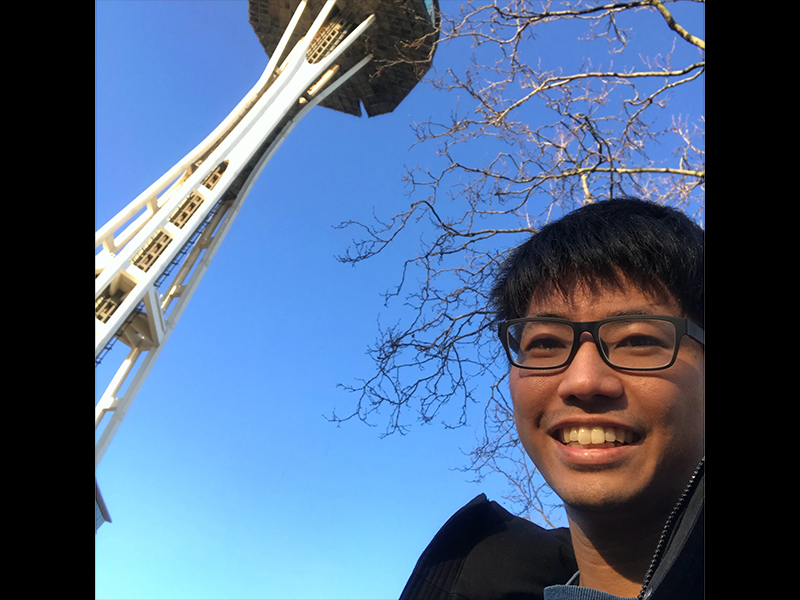
Education faculty graduation led to a Seattle year—about nine months of business coursework plus an internship teaching Japanese—that seeded abroad ambition after watching Amazon and Microsoft engineers up close. He completed about three months at a programming school in Japan, then joined an e-book distribution company via mentor introduction. About five years at that single employer ran roughly four years as full-stack engineer then development team lead, spanning multiple product areas in a smaller team between bookstores and publishers. Friction with designers in a pre-Figma handoff era later motivated intentional UI/UX study.
The long-held goal to work abroad as an engineer was delayed by COVID and marriage until working-holiday age limits loomed. Frog’s 2023 “Canadian Dream” event clarified a working-holiday to co-op to work permit to permanent residency roadmap. He arrived late August 2023 and selected a roughly six-month UI/UX co-op program rather than a longer web-dev diploma to add design skills he lacked as an engineer.
Job search began around late February near program end. He treated “show, don’t tell” as tactic: clone-site proposals proved taste faster than adjectives on a resume. Two companies reached final interview—one stalled without a contract, one rejection—before the successful startup offer. On a small Canadian team—one of two engineers—he works where UI/UX insight and implementation meet.
Adding design study after team-lead engineering could look like regression; in his telling it looks like widening the aperture until a startup could see a fuller collaborator.
Twelve applications is a finite, human number—evidence that targeted proof can beat industrial-scale spray. Exact months-to-offer remain unstated in the body; the method does not.
Designer friction in Japan’s pre-Figma handoff era is not a side anecdote; it is the motive for studying UI/UX after already leading a development team. The six-month Vancouver program and the clone proposals were how he closed that gap in public, then carried both crafts into a two-engineer startup where taste and implementation cannot be separated.
Final-round whiplash—one process stalling without a contract, one rejection, then the startup yes—keeps the twelve-application title honest. The overview’s job is to show the taste-and-engineering combination that made the eventual yes make sense after those near-misses. Attributes leave months-to-offer blank; the article title’s twelve applications remain the volume cue.
Photos from the interview

This page is an English overview of Frog’s Japanese interview—not a full translation. Read the original interview (Japanese)