

Interview overview
Mai’s Deadline: Designer Abroad by Twenty-Five
Leaving Japan IT sales within a year, Mai survived Make School’s brutal iOS bootcamp, returned to Vancouver design work, and—still a student—held multiple offers, including local ones, as a mobile UI designer.
Mai set a private deadline early: by twenty-five, eat as a designer overseas. University economics was a deliberate detour after high-school fears that pure art might not pay; San Francisco visits during college only intensified the pull toward a city of builders. U.S. work visas looked brutally high; Vancouver offered working holiday access, safety, lower costs, SF proximity, and a startup reputation that includes names like Flickr, Slack, Hootsuite, and PhoneGap/Cordova. Attributes mark her in her twenties, working-holiday route, career-changer background for design.
Japan IT sales—advertising and SNS plans at an unnamed firm—lasted under a year while she self-studied design and English in a wandering pattern of HTML, CSS, and whatever else caught her eye. Friends the sitcom trained phrases; TechCrunch and The Next Web trained reading. No Japan design employment is stated.
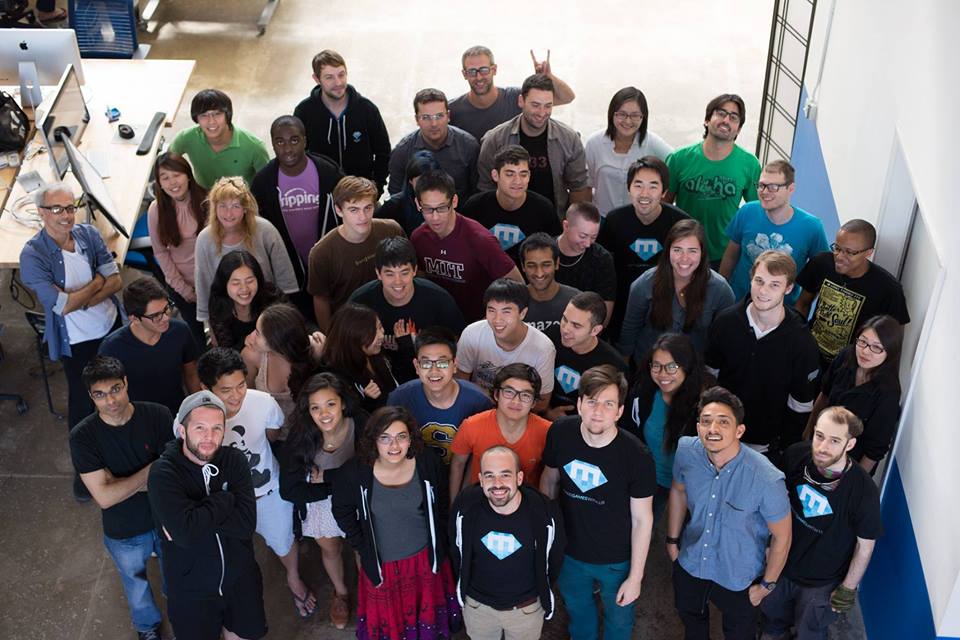
Once in Vancouver she still felt underpowered, then discovered Make School, a Y Combinator-born San Francisco bootcamp. The iOS developer intensives ran roughly 8 a.m. to 5 p.m., then QA and study until midnight for two months—the first tears of the trip. Elite classmates from MIT, Harvard, Berkeley, and Stanford made her English gaps feel catastrophic; confusing “arrow” and “error” with an instructor reduced her to tears. She graduated anyway, and the foggy goal sharpened into mobile UI design after seeing world-class engineers and realizing design was her stronger edge. Camp connections even brought early paid design work.
Back in Vancouver, portfolio momentum arrived even as working-holiday time dwindled. Senna and Frog House conversations pushed specialty school for authorization and a year of work toward employer sponsorship thinking. BC students can work up to twenty hours on that visa path. Design industry experience is described as roughly two years since arriving in Canada.
Before school even started she already held three offers total including Japan-sourced ones—about forty percent from Meetups and local community, the rest online, especially LinkedIn and Dribbble inbound. Two local Canadian offers headline the Japanese title; she was negotiating which to accept while studying. She also taught local kids programming and mentored at hackathons sponsored by companies like Slack and Hootsuite.
Advice to women creators is urgent: go a second sooner, because life design compounds faster, and plan for two to four years to absorb local culture and industry—not language alone. Short-term she wants to hit her designer quality bar; longer-term, economics training still whispers entrepreneurship and investment, with Canadian permanent residency as optional, not mandatory. Two dense years from arrival to multi-offer student: that is the overview’s voltage.
The Make School tears—especially the arrow/error collapse—matter because they are the hinge where “designer abroad someday” became “mobile UI designer specifically.” Returning to Vancouver with that clarity, then using specialty school when working-holiday time ran short, is how a private age-twenty-five deadline survived contact with reality.
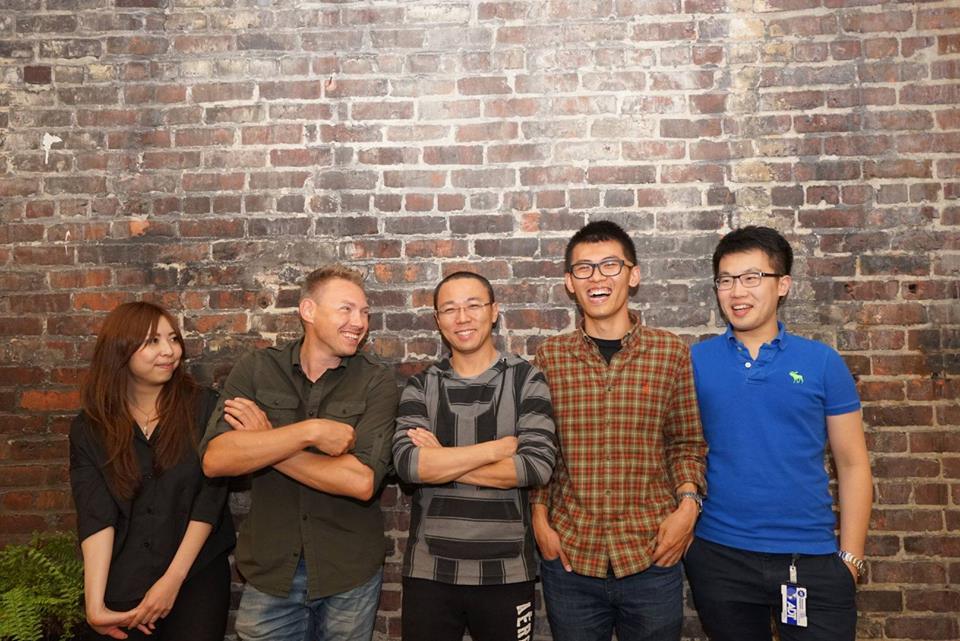
Photos from the interview
This page is an English overview of Frog’s Japanese interview—not a full translation. Read the original interview (Japanese)