Interview overview
Marie’s pandemic job search—and the Intermediate leap that followed
Career-changer Marie fought through a pandemic hiring freeze to land Canadian engineering work, then moved up to Intermediate at Operto Guest Technologies within about six months. In this interview she looks back at what actually moved the needle—and what did not.
When Marie sat down for this conversation, she was already past the hardest stretch of the story she had documented at length on note: getting hired as an engineer in Canada with no prior engineering title, while COVID slammed the market shut. The follow-up chapter is quieter but just as revealing. After roughly half a year in her first Canadian role, she moved to Operto Guest Technologies—a Vancouver company building IT tools for the travel industry—and stepped into an Intermediate front-end seat.
She is frank about the artifacts job seekers romanticize. Releasing an app on Product Hunt felt brave, and before the pandemic it even helped open a few meetup conversations. Mid-crisis, though, it was not the weapon people expected. Paid work history mattered more: freelance and contract projects through Frog’s partner COS and Japanese clients, plus a carefully framed resume that treated her Japan dispatch web-design years as real experience rather than something to apologize for. A LinkedIn message that matched her design-aware portfolio to a UI-developer-shaped opening became her first foothold.
That first job was extreme. The engineering side was tiny—Marie, a part-time senior who left about three weeks after she joined, and a CEO who also wore the CTO hat. She spent months implementing React screens from designer handoffs almost alone, with little process and constant pressure to keep the product moving because “my progress was basically the business’s progress.” Savings were thin after a long search, so quitting before the next offer was not an option. The chapter lasted about six months.
What changed everything was having any Canadian title at all. Recruiter noise spiked; she only applied to a handful of roles and landed Operto. Hired as Intermediate, she initially under-asked on salary, then renegotiated after realizing the number was below market—framing the ask around competing processes while still showing genuine interest in the company’s culture. Day to day she still owns React web work for hospitality flows (booking, check-in, front-desk coordination, door unlocks, room temperature), but she also volunteered into Java APIs and integrations with systems like Salesforce and Stripe when the team’s balance tilted toward backend work.
Marie’s survival advice is less motivational poster than operating system: when a “wall” appears, the problem is usually still fuzzy—so she breaks goals into milestones, separates what she knows from what she does not, writes her thinking in Slack so questions get sharper, and refuses to chase solo perfection for more than about fifteen minutes once the unknown is named. Looking back, she wishes she had front-loaded market analysis even earlier—but she also knows volume of action is why the analysis eventually paid off.
Hybrid days at Operto mean roughly two or three office visits without a hard mandate. The company mixes a small employee core with contractors while it tries to hire permanently; teams split across end-user web, admin tools, and integrations, using React and React Native beside PHP and Java backends. Marie sits on the admin-app front end after earlier, blurrier involvement that even touched mobile. The interview’s aftertaste is structural: treat job search like mapping a city before you sprint—then sprint anyway.
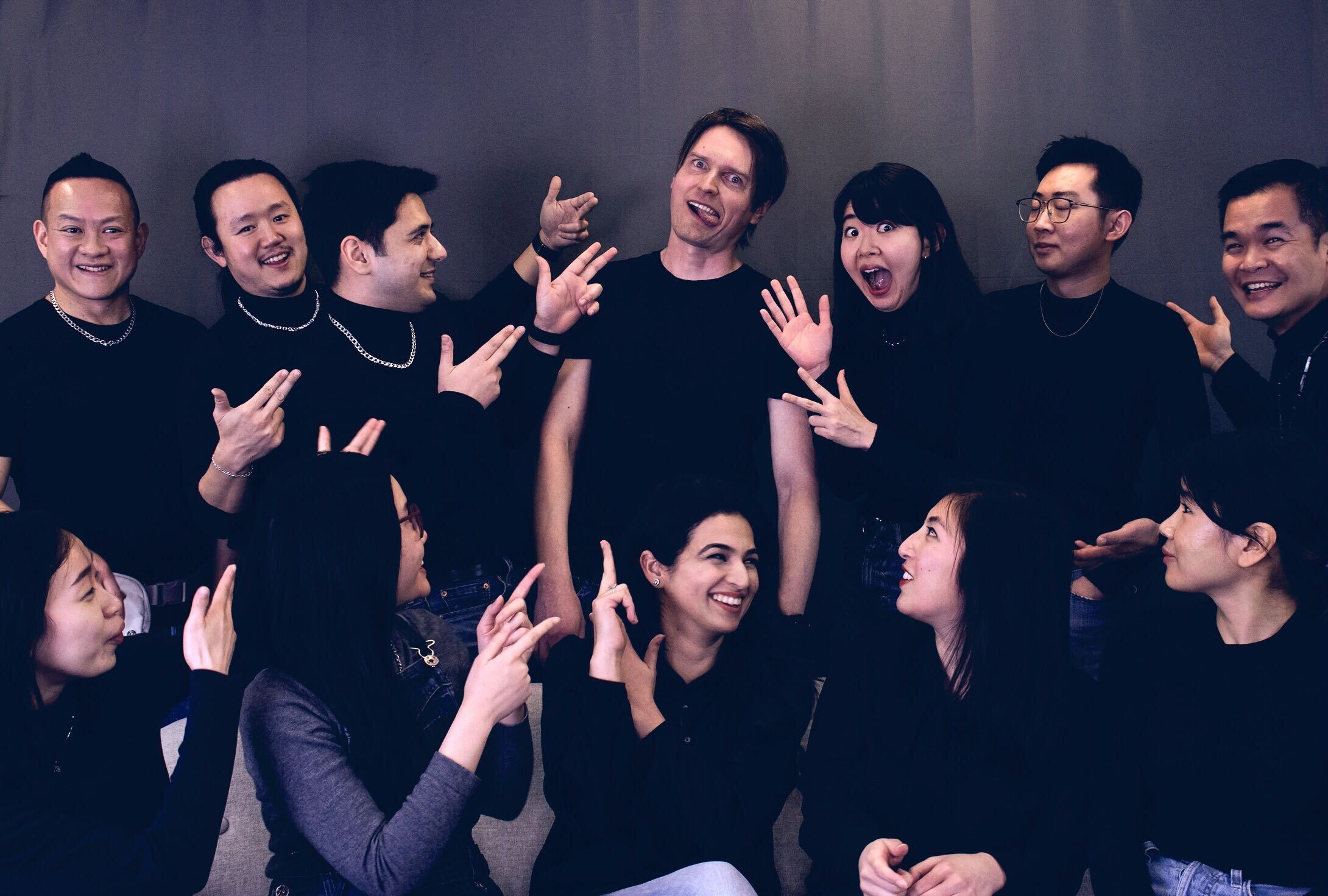
Photos from the interview

This page is an English overview of Frog’s Japanese interview—not a full translation. Read the original interview (Japanese)