

Interview overview
Masayuki held the line until the visa nearly ran out
With four years of Japan design-and-coding behind him and almost no English at departure, Masayuki refused a quiet return home. A Vue portfolio, a painful agency dead-end, and a last-minute pivot landed him a Vancouver frontend seat at a hockey-app company.
Masayuki’s Vancouver chapter does not read like a tidy ladder. In Japan he had already spent about two years as a web designer and two more as a coder—skills gathered mostly on the job after a high-school information track, not a web school. Overseas felt abstract until a Frog talk in Japan and a friend’s throwaway line—“just go for it”—turned into a decision overnight. Working holiday timing slipped past his birthday, so the student-and-co-op route replaced Plan A.
English arrived late and painfully. Three months of conversation school in Japan, then three months of ESL in Vancouver, still left him avoiding spoken exchanges. He skipped BCIT’s intensity to protect remote Japan work and enrolled at ITD in Graphic and Web Development—a course he describes without nostalgia: outdated teaching, thin JavaScript coverage, and plenty of non-web languages. Outside class he went all-in on JavaScript and Vue, building a single-page portfolio he started roughly two months before graduation.
Job search began a month after school ended. For months he aimed almost exclusively at design agencies, polishing WordPress and React side work while silence stretched from August into November. Co-op expiry and a failed post-grad attempt forced a pause to skill up, then a restart. The honest reframe hurt: his stack and taste pointed at product companies, not agencies. Motivation was blunt—“I did not want to go back to Japan”—and that single conviction kept him applying across Vancouver, Toronto, and Montreal via LinkedIn, Indeed, and Glassdoor, roughly seventy companies total.
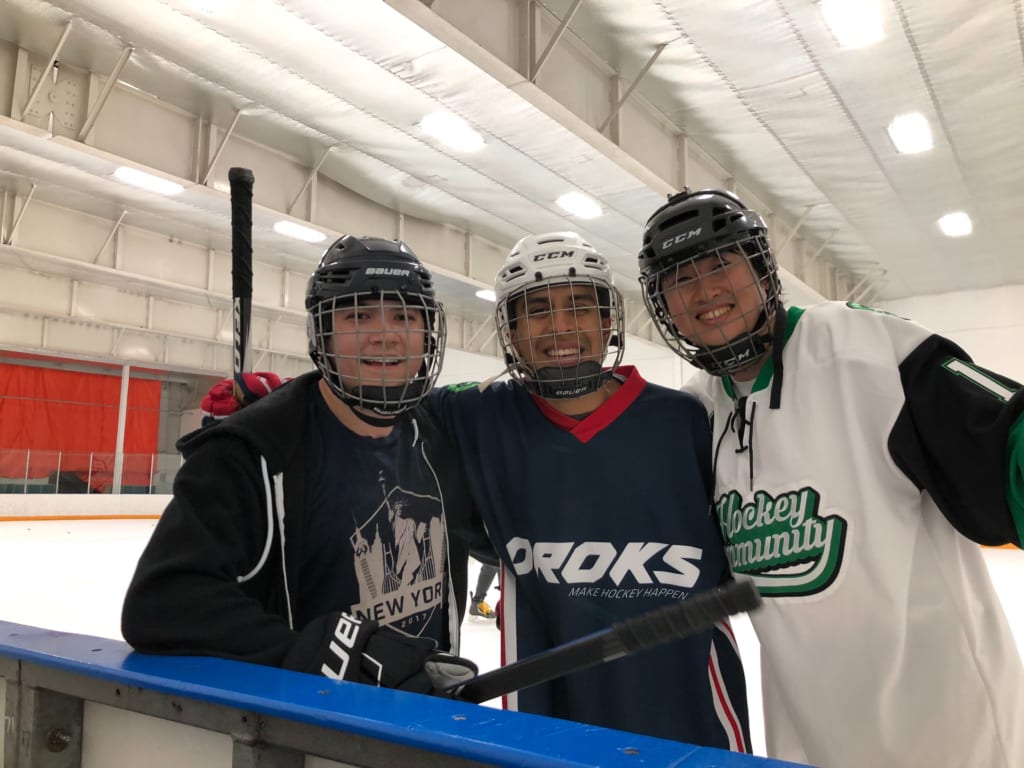
About ten conversations opened thanks to the portfolio; English interviews remained the choke point. The role that stuck came through Indeed at a company building a hockey app—work he knew nothing about on ice, though teammates soon dragged him into the national pastime. Timing mattered: the product was moving from Angular toward Vue, and the team needed someone who could sit between a designer co-founder and developers with UX instincts. Offer week came in mid-June; without a job by late June he had planned a late-July flight home.
He still wants stronger English so design opinions land in meetings, more hockey skill for fun, and a long-horizon Computer Science path online—with New York and even Google as distant north stars. Short-term, he wants to grow past his current teammates. His counsel is stubbornly simple: do not over-filter early, bring English before you arrive, and do not quit when the calendar looks ugly.
Even after the offer, the emotional physics stay visible. He still wants English strong enough to push design opinions in meetings, hockey skill for belonging on a team that already skates, and a slow online Computer Science bachelor that can stretch up to a decade. New York with his designer partner—and a long-shot Google ambition—sit further out. Asked what he would redo on arrival, he answers without poetry: more English, more JavaScript earlier. Asked what to tell newcomers, he is equally blunt—overseas employment is not gentle, there is little time to “enjoy Canada” first, and if you are coming, come sooner rather than later.
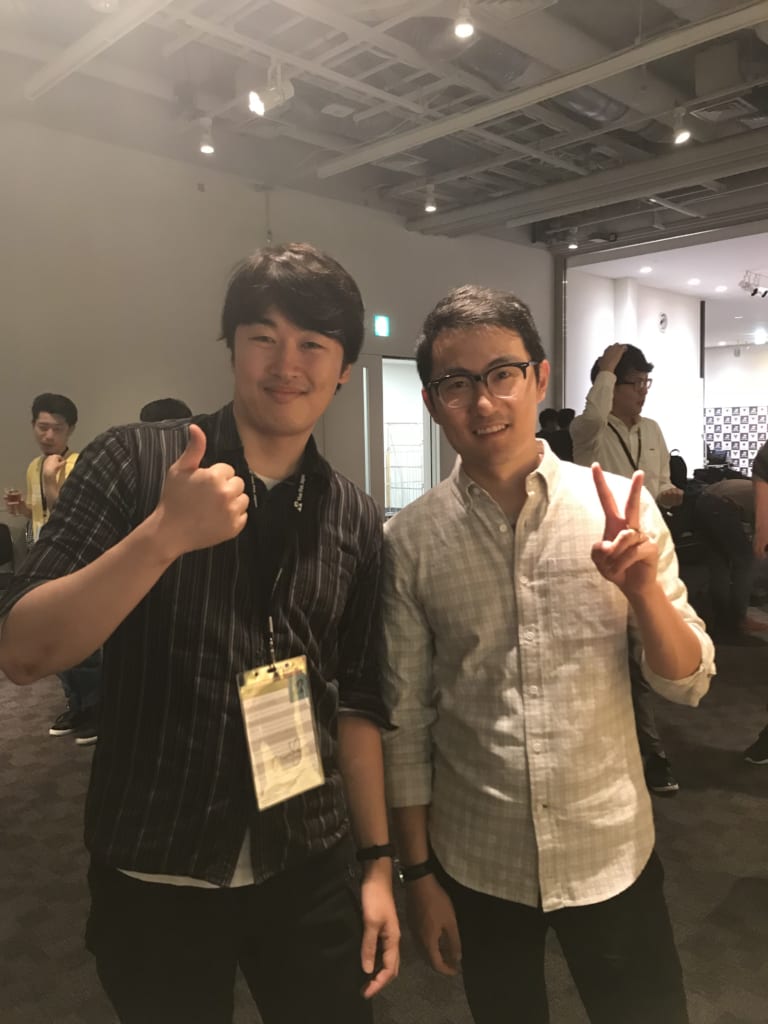
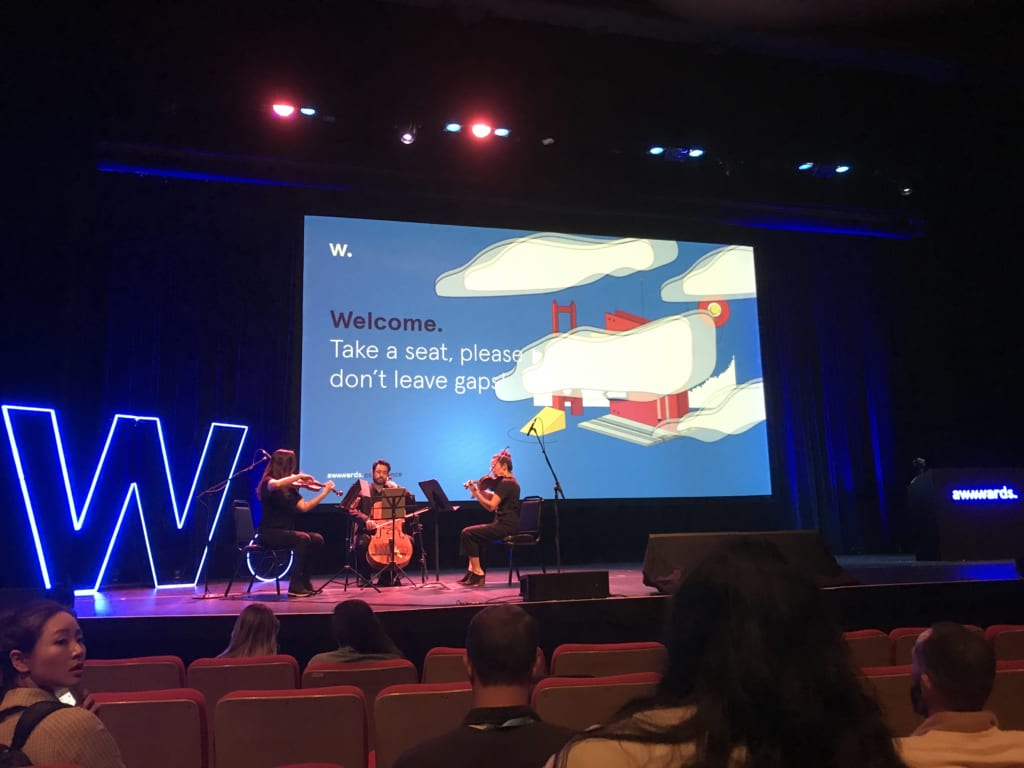
Photos from the interview

This page is an English overview of Frog’s Japanese interview—not a full translation. Read the original interview (Japanese)