
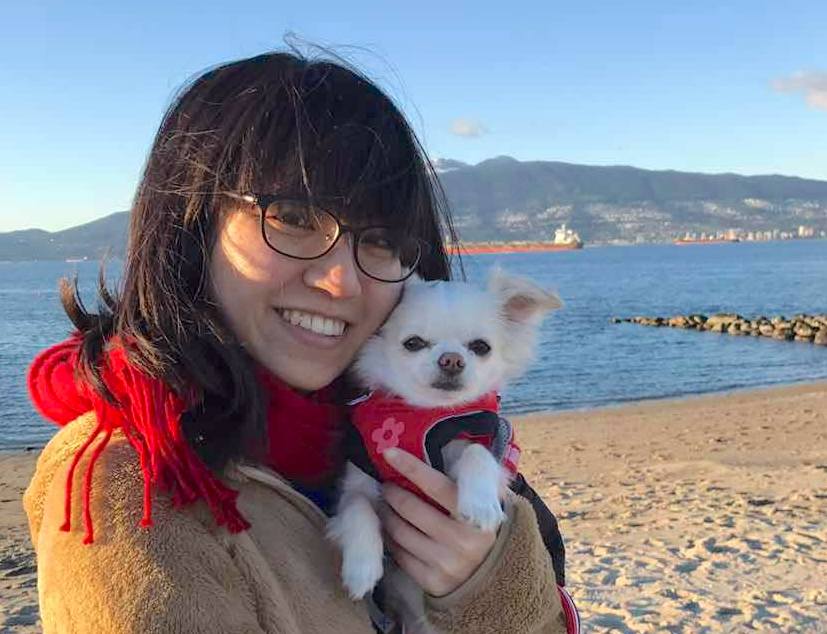
Interview overview
Michika at Langara: surviving an overloaded new program while aiming full-stack
After psychology and education studies, an embassy-linked Canada stay, and COBOL banking work in Japan, Michika pushed through Langara’s dense post-degree diploma—and was already job-hunting by the time of this interview.
Michika arrived in Vancouver in December 2016 and started Langara the next January without ESL, because her IELTS cleared the bar. The program demanded a prior bachelor’s—hers mixed education with a psychology focus heavy on cognitive experiments and statistics, the first spark that made code feel more reliable than counseling. Graduate school ended mid-stream after the Tohoku disaster hit her Miyagi hometown; an embassy-linked recovery project brought her to Canada for a homestay that felt loosely paced and strangely free. She left the master’s track, joined a foreign-affiliated IT firm writing COBOL for foreign-exchange banking systems, saved and studied IELTS for three to four years, then returned with a deliberate goal: stay long enough for a three-year post-graduation work permit from a public college.
Langara’s web-oriented post-degree diploma was still new when she entered—about the third intake of year one. Students share a first term, then split toward developer or designer tracks. On paper it is a two-year path; in practice she saw people finish required courses in about a year and four months by stacking four intense terms. Seven or eight courses per term meant twenty-plus classroom hours weekly, fast pacing, projects, tests, and fail-and-repeat consequences. Mobile terms jammed Swift and Android together; cloud topics touched AWS, GCP, and Azure. Classmates ranged from fresh CS grads to PR-chasers already working construction. She learned to negotiate with instructors, use office hours, and say “I don’t understand” before foundations got skipped.
Outside the grind she took a weekend backend course that finally connected Langara’s scattered pieces into MVC-shaped thinking, wrote Medium posts from school experiments (Docker, P5.js), and kept a Japan remote gig writing machine-learning setup notes plus video editing. By interview time required courses were done; she was preparing for a later internship term, building a portfolio, listing companies in a spreadsheet, and aiming for JavaScript full-stack roles—ideally at startups where breadth beats deep specialization, with remote work as a hope after years in a large specialized environment.
Her advice is pragmatic rather than glossy: Langara can work if you want time, a public-school visa path, and classmate density—but bootcamps may fit people who need job-requirement alignment faster. Either way, she insists on acknowledging progress one skill at a time, because the overload never stops inventing new gaps.
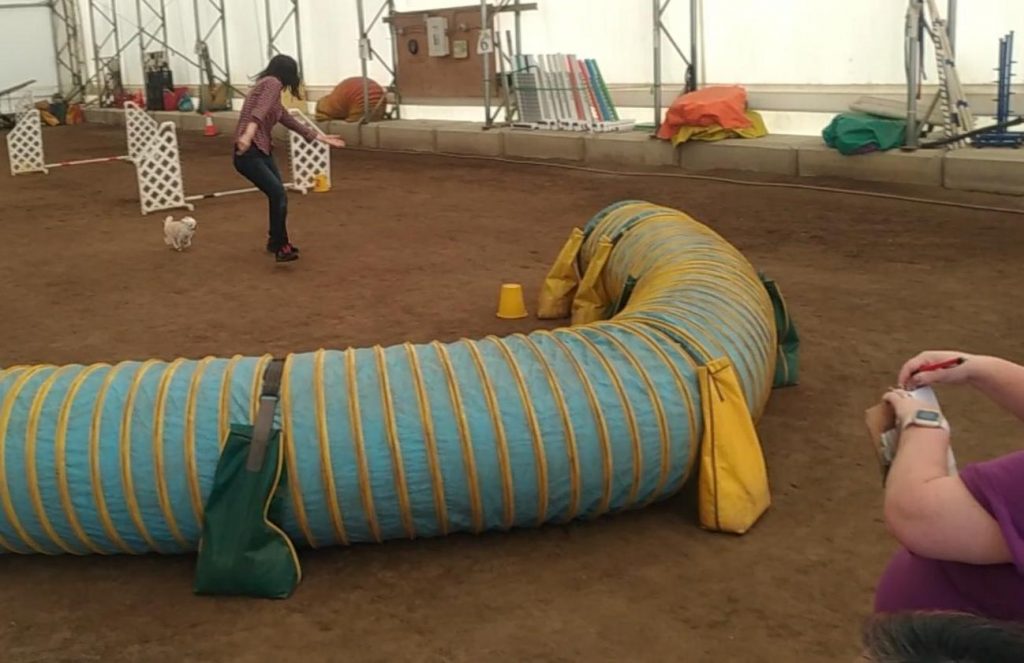
She is clear-eyed about tradeoffs. Classmates chasing permanent-residency points sometimes care little about design or development content; team selection therefore becomes survival. Cheating spikes when overload peaks; instructors respond with more projects. Term breaks are only a few weeks, often spent sleeping off burnout, which is why portfolio work spilled into Frog events and non-tech spaces—including dog agility—with her own dog. By the fifth and sixth terms she was in internship-prep classes she had deferred out of exhaustion, writing Medium posts, listing companies for a late-June application start, and still taking Japan remote work. Langara, she estimates, was about eighty-five percent the right call—messy, multinational, and a rehearsal for workplaces where you cannot impose motivation on everyone.
Photos from the interview
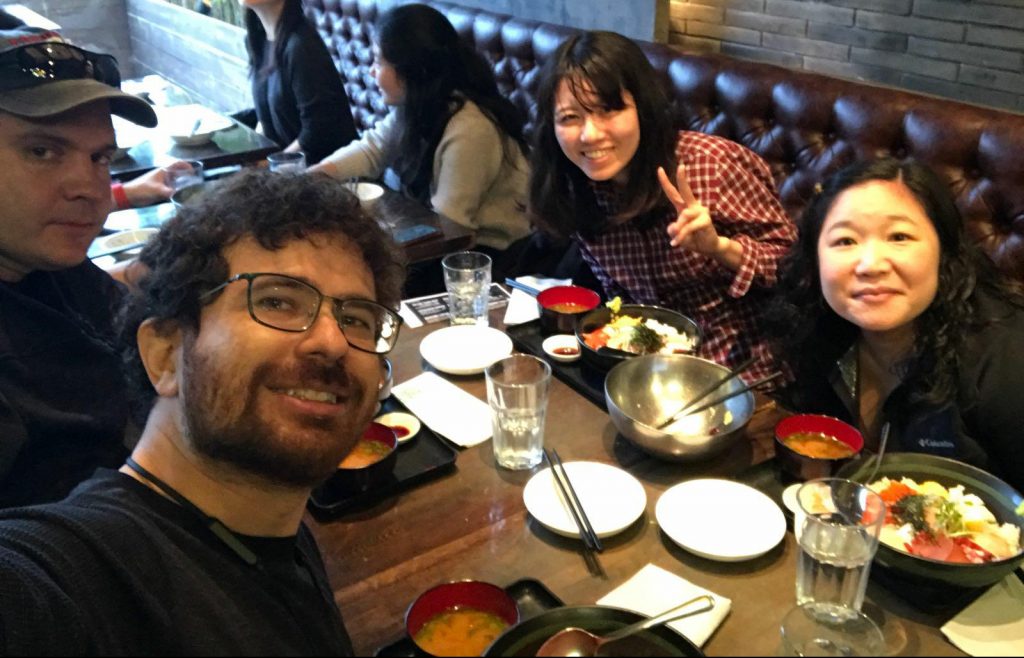
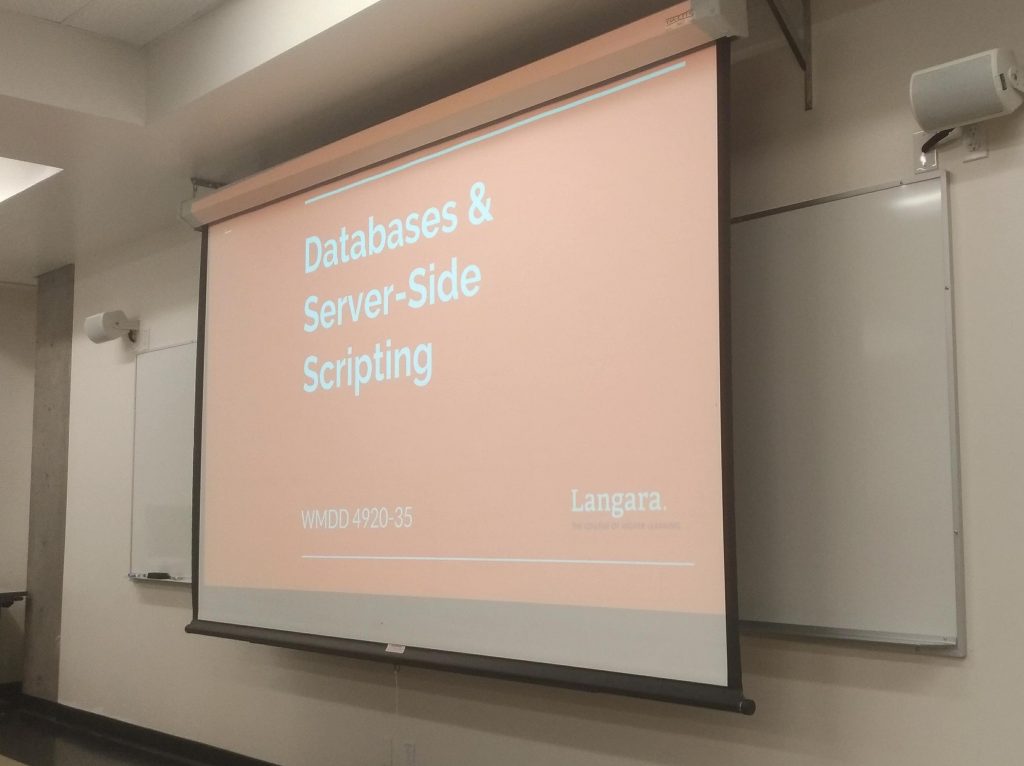
This page is an English overview of Frog’s Japanese interview—not a full translation. Read the original interview (Japanese)