
Interview overview
Michinobu, self-study—and the beatbox that somehow fit Major Tom
After years owning nearly everything except design at a five-person Japan web shop, Michinobu spent a year on ESL, then college, and chose Major Tom in Vancouver from dual final-round offers.
Michinobu laughs easily in Kansai cadence, but the through-line of his story is stubborn self-teaching. Fresh out of a networking-focused university program—where he had already tinkered with HTML, CSS, PHP, jQuery, and a tiny homemade CMS—he joined a roughly five-person web production company as a front-end engineer. In practice he often handled WordPress themes, server setup, client direction, and everything but design. Three years in, brutal overtime (he casually mentions thirty-five-hour stretches and double all-nighters) plus an early plan to either change companies or go abroad pushed him toward Frog and Canada.
English started at “This is a pen.” He spent a full year in language school aimed at IELTS for college entry, studying into the evening at the library until he could express himself and ask again when he did not understand. The college he hoped for stayed out of reach on scores; he followed a Frog acquaintance into a community college instead, adding mobile coursework to a web-production core he already knew he wanted to keep. Portfolio work took about three months—hand wireframes, Illustrator, polish—and the hardest slice was backend: renting a VPS, installing Linux, and standing up a web server so interviewers could not corner him.
Co-op job search started about a month early. The first month of applications missed because he was aiming at React-app front-end roles while his portfolio still shouted classic web production. Retargeting toward design agencies flipped reply rates dramatically—he estimates around eighty percent once the match was honest. Two companies reached final rounds and both offered; he took the earlier one: Major Tom (formerly Drive Digital). In that interview he even performed human beatbox—not as a gimmick for every company, but as a personality beat that happened to fit the room. Phone screens still tripped him (one recruiter finally barked “MONEY” when compensation questions got lost in soft language).
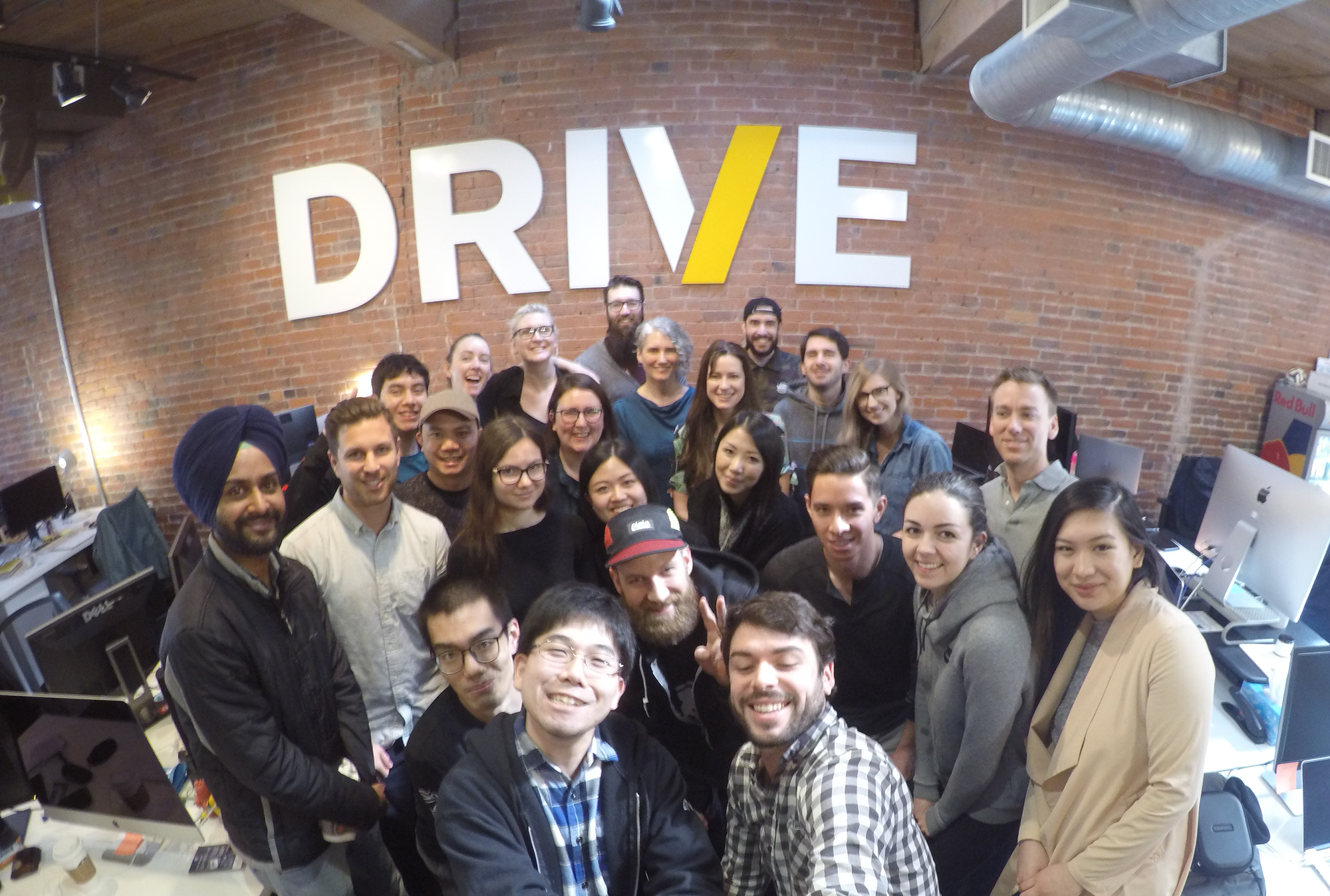
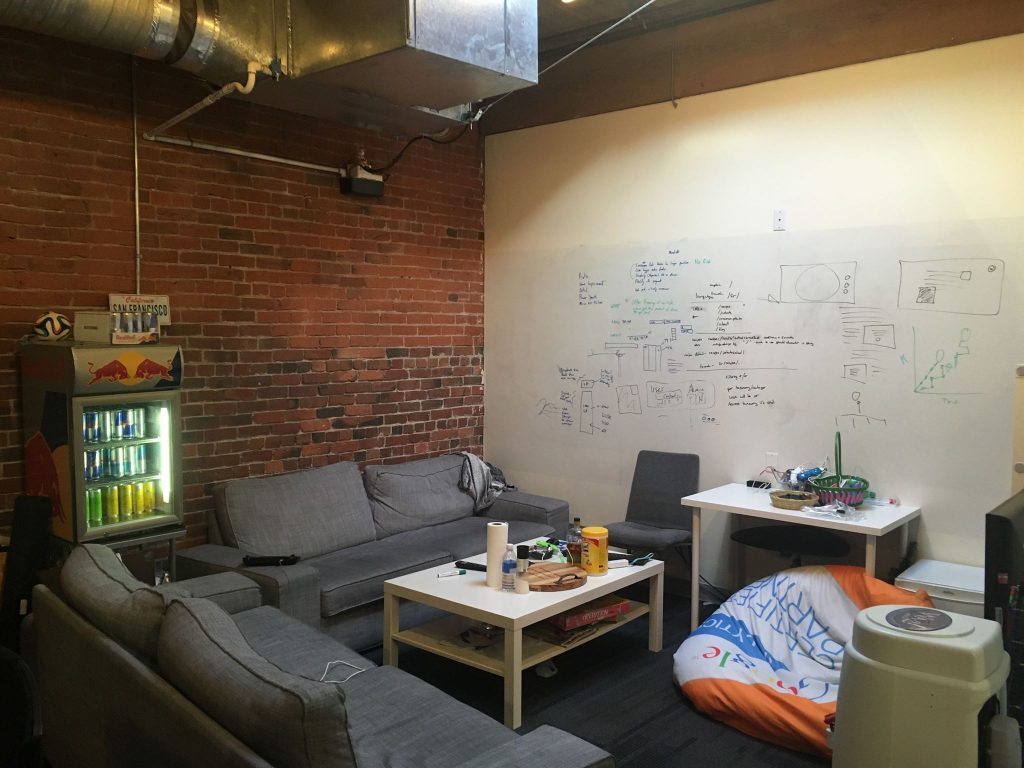
Work now still feels full-stack-wide front-end, familiar from Japan, but with nine-to-five energy, an stylish brick office, and what he ballparks as roughly two-and-a-half times better when pay and hours are weighed together. He keeps learning on purpose—Three.js experiments, Dockerized WordPress environments—always adjacent to skills he already owns. Permanent residency is the near horizon. His parting heat check is simple: keep shipping what you make publicly, and trust that effort compounds.
He is almost evangelical about publishing work: ship apps to stores when you can, put sites on GitHub Pages, drop small experiments on CodePen. Beatbox belongs in that same bucket—an honest specialty that made him memorable once. Permanent residency is the near-term goal; everything else waits. Looking back at Japan’s extreme overtime cards, he argues Canada rarely invents a suffering that outclasses what he already survived—and that beginners should expect stress while trusting breakthroughs arrive for people who keep touching the tools themselves instead of waiting for a blog post to explain the trend.
Photos from the interview


This page is an English overview of Frog’s Japanese interview—not a full translation. Read the original interview (Japanese)