
Interview overview
Minami wanted to be an international designer—and kept building until the title fit
After a black-company first year, a round-the-world reset, and years sharpening graphic-to-web craft in Japan, Minami used Vancouver study and relentless making to land marketing-company design work—and to start treating life as something she gets to keep.
Minami can trace the designer urge to childhood art, through a high-school design track, into a first graphic job that broke her—long hours, hierarchy, power-harassing management, and adjustment disorder before age twenty. She quit, traveled the world for about half a year, then returned because she still loved the work. Across studios she migrated from graphic to web until she could brand, design, code, and think SEO end to end. When the best local agency accepted her too easily, the future looked boring; she declined, saved at a flexible startup, and flew to Vancouver in July 2015 chasing an “international designer” life she could not map inside Japan alone.
English was near zero—elementary ESL, freeze-on-contact. She still built an English-surround: school friends, eventually a Dutch classmate who became her common-law partner. College’s Graphic & Web Development track disappointed (backend-heavy despite the name), so she treated school as a minimum and learned through paid projects—Japan web work plus Dribbble-sourced U.S. and other gigs that taught negotiation and North American taste. Private time felt like guilt; films ran in the background while she worked.
Co-op search was not automatic prestige. Designer competition is fierce; she estimates about fifty applications spanning design and front-end, with thin school support and Senna’s portfolio coaching. The marketing company that hired her sells sourced goods online; she designs selling sites, reviews implemented CSS, builds UI and internal tools, logos, packaging, even a stint in video, plus urgent Japanese translations when she is the only Japanese speaker. Early months were terrifying without fluent English; she earned listening ears by letting design quality speak first. About half a year in, trust finally let her breathe.
She later switched from working-holiday status and aimed permanent residency through the company—negotiating student pay up to adult levels and correcting her title toward web/UI for immigration points, while prepping CELPIP. The long goal is freedom of place, not Vancouver forever: maybe Europe with her partner, maybe a rare San Francisco shot. Her nudge to fence-sitters is blunt—if you are already thinking about it, you probably want it, and unused curiosity rarely ages well.
She is frank that early employment months stole her private life again—fear of falling behind without fluent English kept side projects running after hours until trust accumulated. Permanent residency through the company, higher pay, and a corrected job title for immigration points became the mature chapter after student wages. CELPIP practice replaced vague English anxiety with a concrete test. The international-designer dream did not vanish; it widened into optional geography—Europe with her partner, a hypothetical San Francisco offer she would not refuse—because PR, in her framing, is freedom rather than a vow to one skyline.
Partner logistics stay in frame because life design is part of the point: he retrained at the same school into game programming, which makes European or other moves conceivable together. Dutch visa lore for Japanese founders amuses her as a future option among many. The interview refuses to separate “international designer” from the woman negotiating CELPIP and pregnancy timelines; both are the plot.
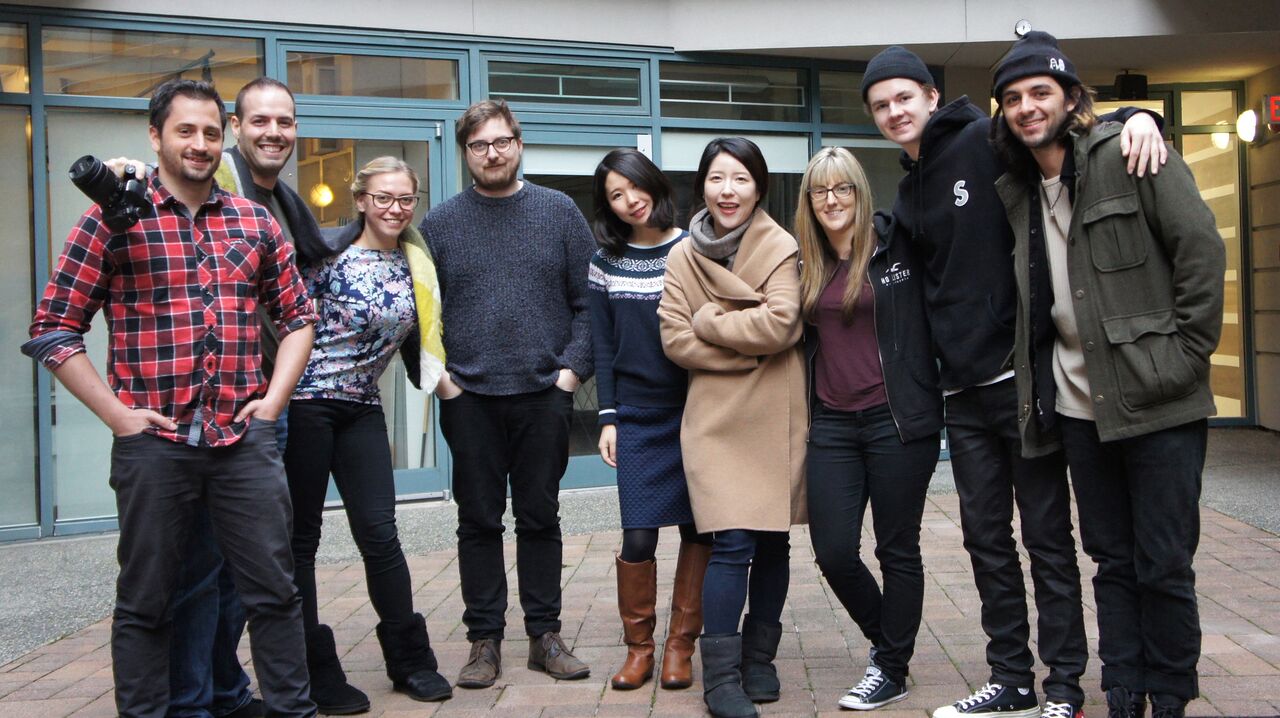
Photos from the interview


This page is an English overview of Frog’s Japanese interview—not a full translation. Read the original interview (Japanese)