
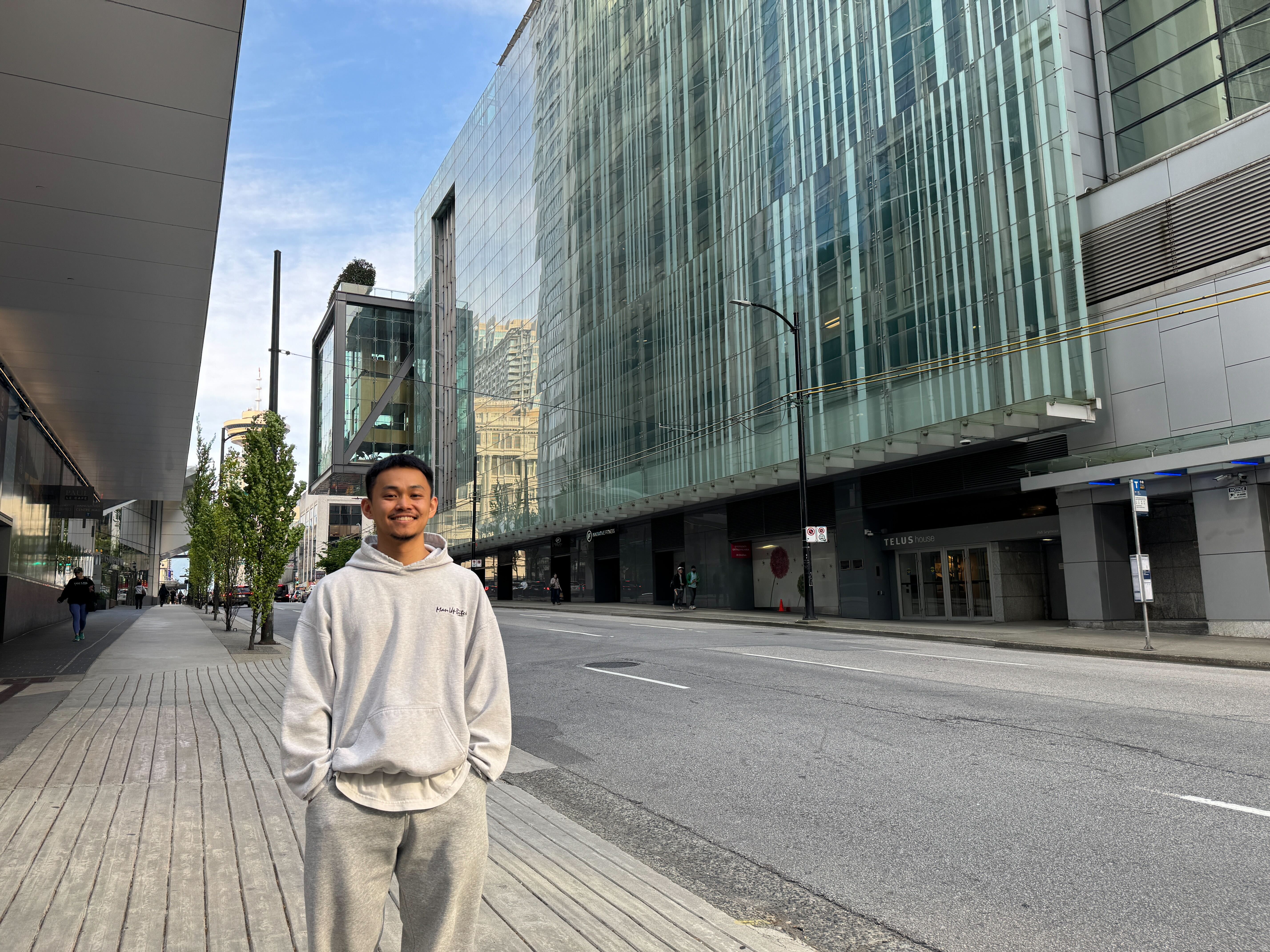
Interview overview
Mizuki Chased Overseas Screens as a Kid—and Still Chose a Van Before the Data Job
American exchange, a U.S. marketing degree, Japan bootcamp-to-DE years, Accenture for the resume brand, Co-op Canada, five months in a vehicle, then freelance data engineering for a U.S. startup from Vancouver—action while the idea was still hot.
Middle-school American movies planted the overseas itch. Mizuki used a high-school exchange year in the United States, returned to finish Japan school, then completed four years of U.S. university marketing—not computer science. OPT work made pure marketing feel wrong day to day even if concepts still appealed; skill mattered, and data science looked compatible. Back in Japan he took a data-science bootcamp and joined a startup as a data engineer through a networking event.
About a year in, financial trouble brought layoffs. He liked startups but not wondering whose turn was next, and he wanted a recognizable name before moving abroad in two or three years. A LinkedIn recruiter led to Accenture. He frames data engineering three ways: BI insights, application data, and ML-ready data—Accenture was BI; the first startup and current work lean application-side. Compared with software engineering, DE seats and DE people are both scarcer, so demand can feel solid even when LinkedIn scrolls look SWE-heavy. He still sometimes wishes he had stronger backend or frontend range.
Small companies force data people to talk with PMs and leadership; his own mix is roughly eight or nine parts coding and one part troubleshooting talk—engineer-leaning. Vancouver, he agrees, hosts more web branch roles than data or infra; ML and BI often sit at larger firms, though data-native startups exist. Speaking remains his weak spot—tiny vocabulary, PTE speaking worst—while work English often means drafting Slack explanations and polishing them with ChatGPT. He swears by three days of emotional YouTube shadowing that made day four feel suddenly smoother.
Still wanting abroad, he picked Canada Co-op for student-visa speed. Month one was a share-house room because addresses matter and his mother insisted on “two months indoors first.” He then bought a roughly 600,000-yen Facebook Marketplace vehicle—thinking like the U.S. car he once bought and sold at similar prices—and lived in it about five months, optimizing for time over money until the mindset flipped: if money buys time, better to earn. Engineering work appeared in about a month to a month and a half—faster than the three-to-six he feared. He now freelances as a data engineer for a U.S. startup from Vancouver.
Looking ahead he talks Australia and beaches, even café work near sand as a break from drained evenings—then returning to engineering if cash runs thin. Advice: when something flickers as “maybe I want that,” you probably do—move. He found Frog on YouTube the week Canada hit and showed up at Saturday Q&A almost immediately. AI-related skills, he adds, increasingly show up in postings worth chasing.
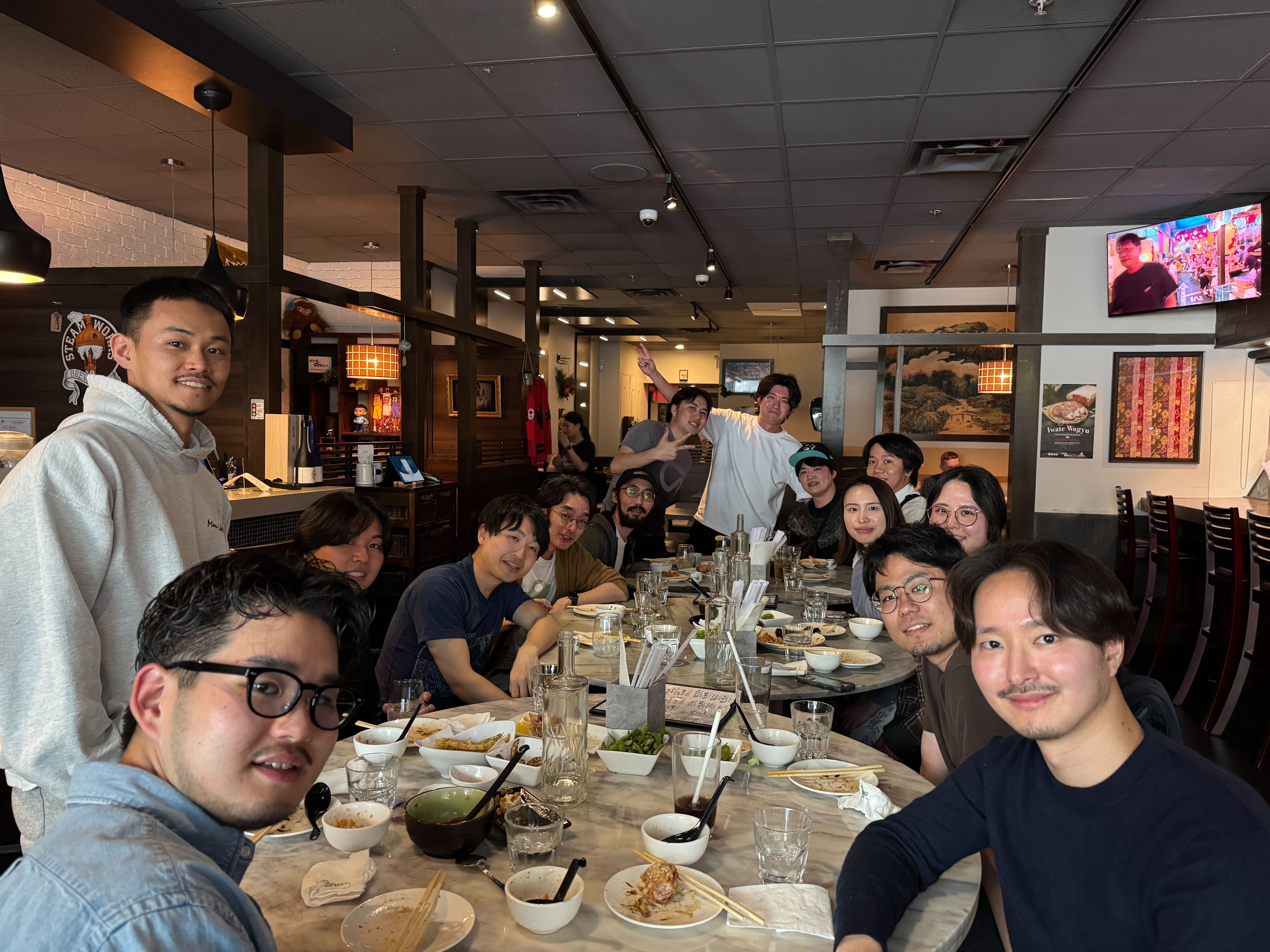
Photos from the interview
This page is an English overview of Frog’s Japanese interview—not a full translation. Read the original interview (Japanese)