
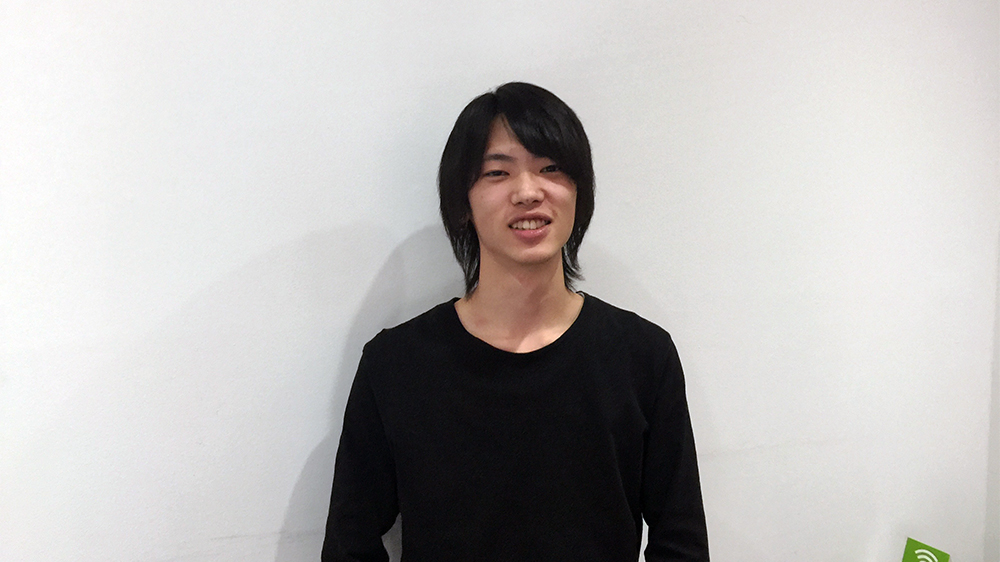
Interview overview
Ryo walked away from kosen prestige at nineteen—and stayed for the craft
Leaving a Japanese college of technology track after year three, Ryo studied English in Victoria, rebuilt direction in Vancouver, and grew into a UI developer role on a new-grad path he intends to extend through permanent residency.
Ryo contacted Frog at nineteen, already on leave from an industrial kosen information program after finishing third year and spending language-school time in Victoria. Parents resisted—kosen employment rates and easy university transfer paths are the safe story in Japan—but he did not want to return, and a chance encounter with Senna’s and Mana’s writing made “web work” suddenly interesting even though he once swore he did not want to be a programmer after doing programming coursework at school.
Victoria’s smaller, less Asia-dense scene suited English immersion; he still thinks quieter cities beat Vancouver for pure language study. Vancouver’s Japanese working community suited what came next: specialty school, graduation, and UI development work. English had always been a strength built on music and obsessive rewatches of shows like Prison Break until subtitles became optional. Communication anxiety—friends, teachers, workplaces—is what many Frog consults fear; his arc suggests immersion plus media input can compound if you actually live inside the language.
At work he inherited older stacks—Google Web Toolkit from an era when it was hot—and learned the local rule that weak performers exit probation while strong ones get paid. A desk neighbor vanished after three months; Ryo’s explanation for surviving is almost boring on purpose: do the job properly, because résumé years without craft do not impress when methods look wrong in review.
Company visa sponsorship was not part of the package, but a multi-year post-graduation permit buys time; he hoped to file permanent residency around year-end after lifting IELTS scores, already working with an immigration consultant and watching draw scores. Long-term he wants to stay and eventually move from hybrid mobile work toward native capabilities. America—especially San Francisco—was the first dream until visas looked impossible; Canada remains the pragmatic stage with a short flight to try later. His advice to the hesitant matches how he arrived: come with a fuzzy reason if you must, because some clarity only appears after you are already living the experiment.
Risk talk, he implicitly reframes, depends on what you count. Leaving kosen looked reckless to relatives measuring university ladders; staying looks rational once you watch probation end for people whose code cannot carry their résumé years. His own future math includes IELTS, draws, and craft depth—less romance than continuous proof.
School choice after Victoria was pragmatic Frog counseling more than destiny theater. He entered specialty study knowing programming was not zero for him, then discovered he actually liked the web craft he once avoided. Workplace pressure—probation exits, pay for performance—does not seem to scare him so much as clarify standards. When he says “just come,” he is not promising ease; he is arguing that information quality jumps once your body is already in the city where the jobs are.
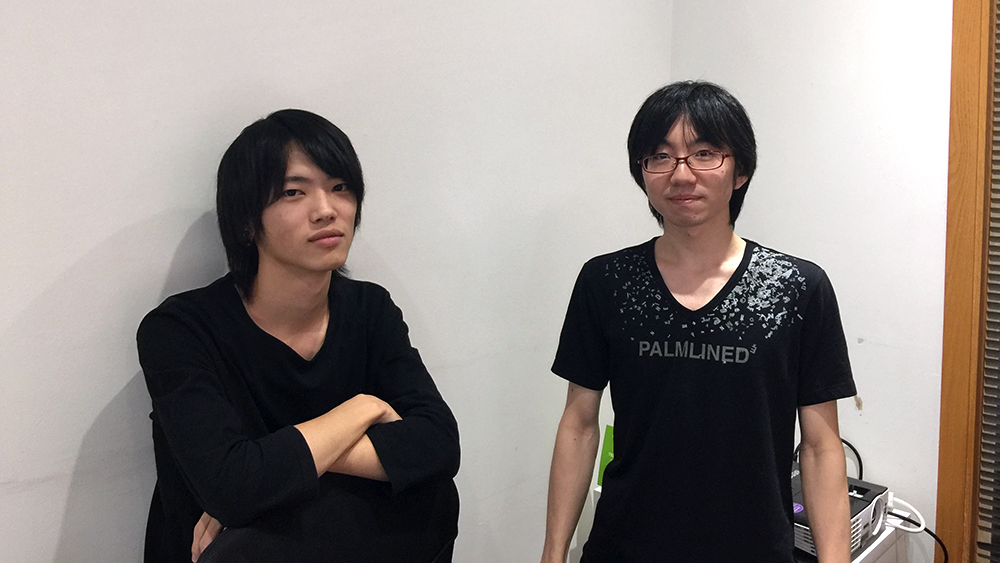
Photos from the interview
This page is an English overview of Frog’s Japanese interview—not a full translation. Read the original interview (Japanese)