
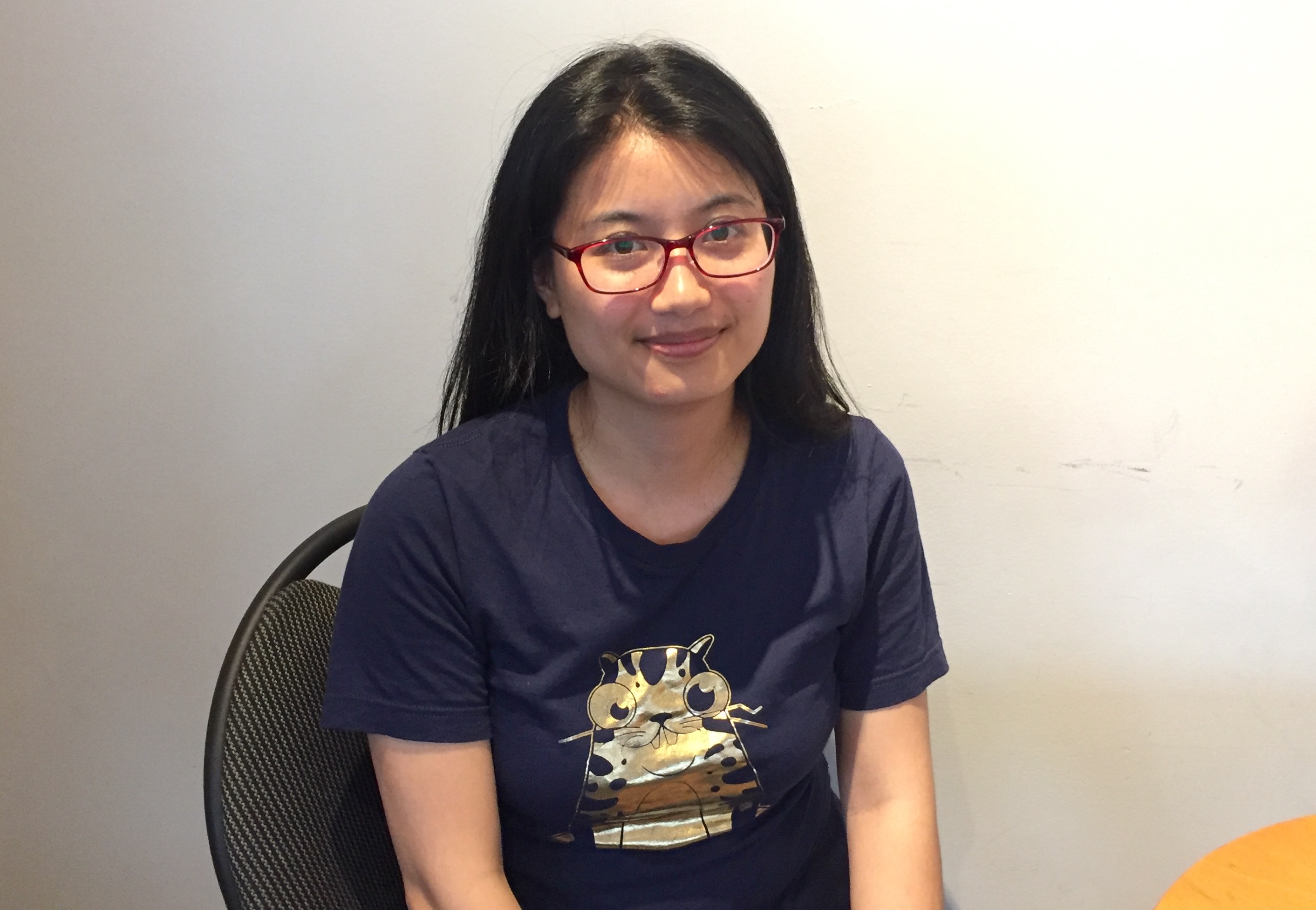
Interview overview
Saaya’s second act in Vancouver: from Kayac design to Axiom Zen front-end
A returnee who spent years in sales and then design at Kayac, Saaya used college not as a first identity but as a bridge—working two short Canadian roles before landing front-end work at Axiom Zen.
Saaya’s story keeps refusing a single pivot. University led to three years in sales at a publisher that asked editors to design in-house; she studied design on weekends to aim at editing, then fell for web design instead. Specialty school stacked a design year and a more front-end year—with side adventures in photography and even VR—but she still chose designer work: about two years at Kayac, first on promotional client sites, then a year on social-game visuals in Photoshop and motion handoffs into Unity without writing production code.
English was never the blocker: childhood moves with her parents’ work, a U.S. university year, roughly a decade cumulative abroad. Ironically, while designing she felt Japan had enough interesting work—until late in year two curiosity about working overseas won. Failure felt recoverable because specialized skills travel. College in Vancouver became the structured way in.
Unlike classmates who stay at their first co-op employer, she worked a couple of short Canadian stints measured in months while continuing to search, collecting scars and signal until Axiom Zen hired her as a front-end developer—permission granted in the interview to name the company and products. Daily life there rewards individual contribution as much as team harmony: plan your tickets by size, learn without hand-holding, bring study-group energy and new techniques because growth is visible.
She likes the people enough to want more time; debates in code review end in understanding rather than ego, and helping on someone else’s task reads as aid, not theft. Hours can stretch toward six or seven in the evening—busier than some Canadian stereotypes, still unlike Japan’s extremes. She aims to reach senior (locally often framed around five years’ experience, with intermediate near three) while the stack keeps moving, and to build a financial and immigration plan that makes staying real—permanent residency plus housing and family questions, not only sprint velocity.
Her advice cuts against Japanese understatement: saying “I can do it” and then scrambling to deserve the assignment is how people get stronger here; “someone like me” thinking produces nothing. Direction changes, in her telling, are allowed—as long as they are chosen on purpose.
The Kayac years still matter as taste memory—client promotion sites, game UI motion—even though her title is now developer. Returnee fluency removed one classic barrier and exposed another: choosing to leave a comfortable Japan design lane on purpose. Short Canadian roles before Axiom Zen are not framed as failure; they are framed as data. Wanting to stay a little longer at a company she likes is, in this interview, the quiet definition of success.
Photos from the interview
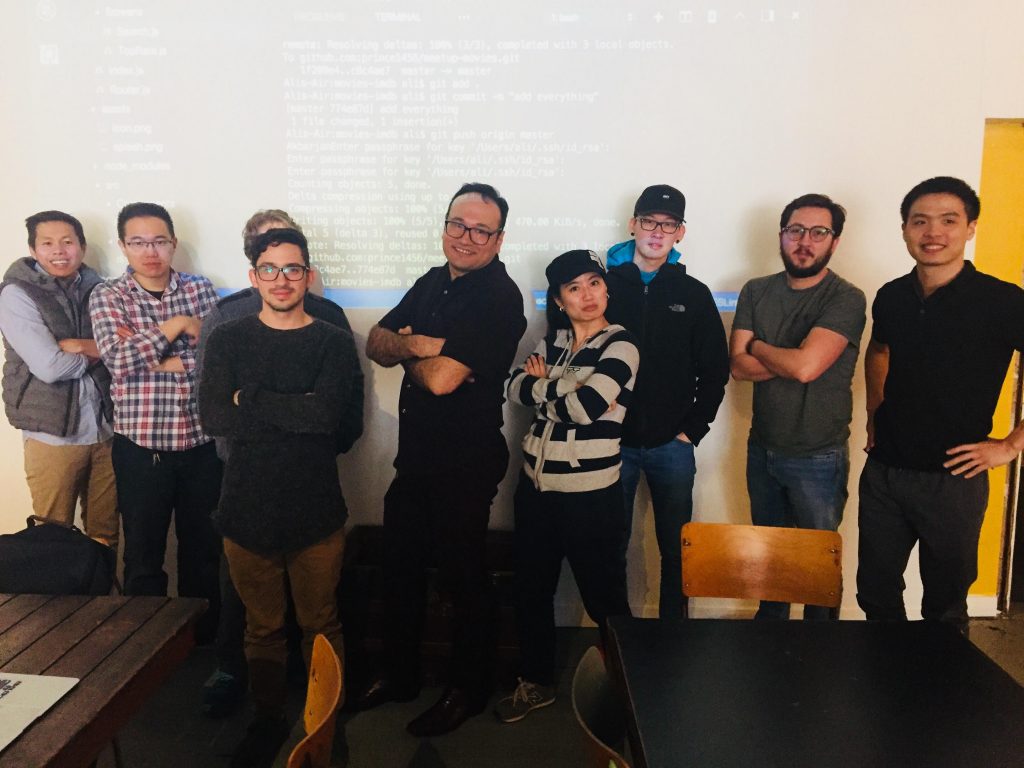
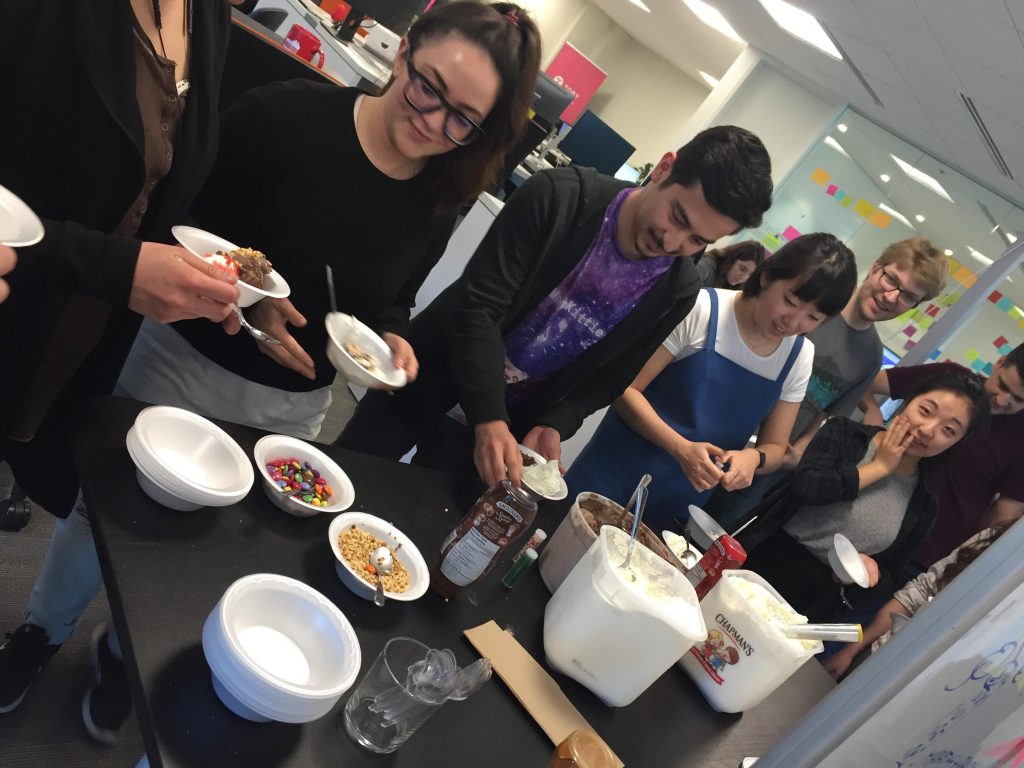
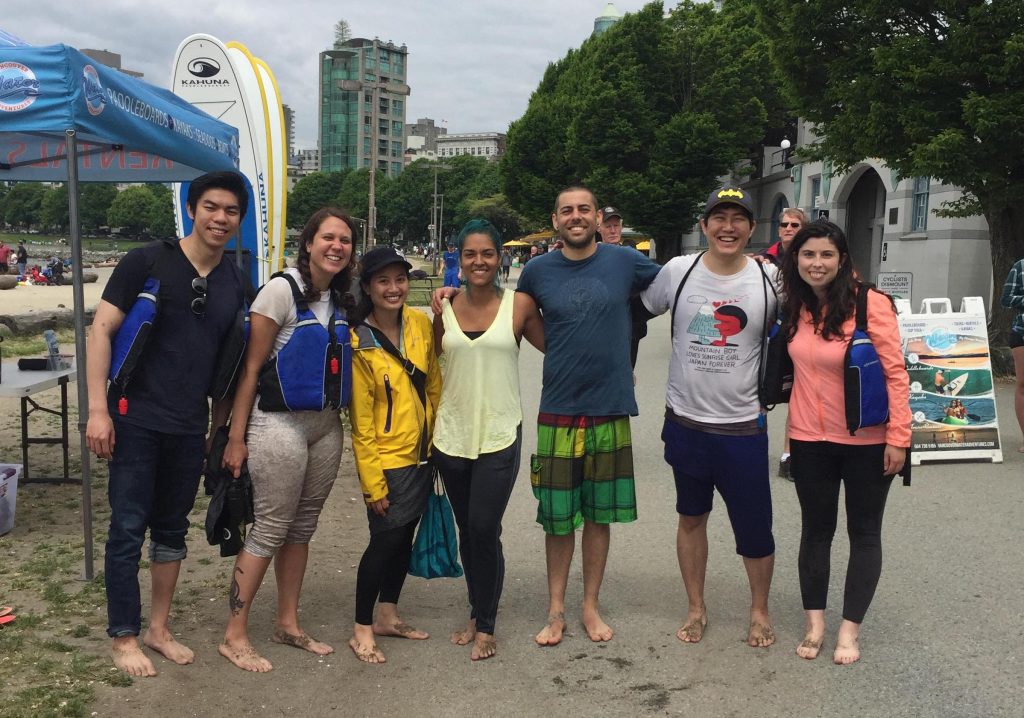
This page is an English overview of Frog’s Japanese interview—not a full translation. Read the original interview (Japanese)