
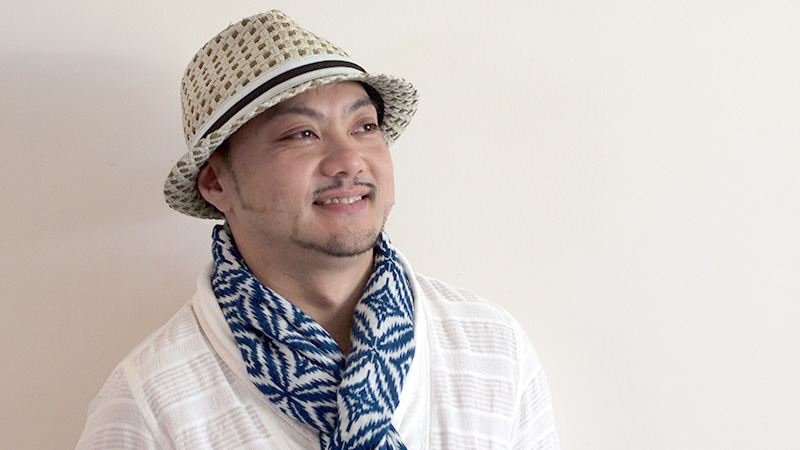
Interview overview
Shinya’s Reverse-Engineered Road to Hollywood Modeling
From a quiet South Carolina English stay to Sony Pictures Imageworks in Vancouver, Shinya planned a four-year university map toward the films he wanted to make.
Shinya’s goal was never “study abroad” for its own sake. He wanted to make Hollywood films; CG became the craft, and the United States became the training ground. He began with roughly six months of English immersion in rural South Carolina—chosen because there were almost no Japanese speakers, and not even a Starbucks—then moved through twists and turns toward California for university.
He chose Academy of Art University in San Francisco because working Pixar artists taught there and because Pixar itself was the employer he imagined after watching *Ratatouille*. Classmates felt impossibly talented. Instead of quitting, he asked what he could add that raw talent alone might not: industry experience and a reel with real film shots. He reverse-planned four years—year one for foundations and planning, year two for connections (especially Japanese artists in California), year three for portfolio and internship hunting, year four for the internship itself—then broke the plan into months and weeks. Not every milestone landed on schedule, but the habit of slicing the dream into weekly work kept him moving.
Internships did not arrive politely. He applied to Pixar monthly, even lingering at headquarters through a friend’s introductions until staff noticed his absence. Across the U.S., Singapore, New Zealand, the U.K., Australia, Canada and more he sent about a hundred applications; only two replied. SIGGRAPH became a networking floor for demo reels and cards. When a film CG company in Los Angeles finally offered an internship, he was still enrolled in San Francisco and still had twice-weekly classes that could not go online. He flew between the cities about three times a week—an expensive bet he framed as investing in himself, money second. “When something really matters,” he argues, budget anxiety should not make the decision alone.
At graduation he joined Sony Pictures Imageworks in Los Angeles, and later also worked at DreamWorks and Blizzard Entertainment. Credits he discusses include *Guardians of the Galaxy* (Oscar-nominated for visual effects), *Oz the Great and Powerful*, and other major titles plus Warcraft cinematic work. North American VFX, he stresses, is specialized: modelers, texture artists, and neighboring disciplines stay in lanes so quality can rise. Schools may teach generalist skills, but portfolios should show the slice you own unless a studio wants a generalist reel.
Work dried up in Los Angeles as British Columbia’s digital-media incentives drew production north. Vancouver offered both projects and, for many, easier work authorization paths such as working holiday. Shinya later rejoined Sony Pictures Imageworks at its Vancouver studio—the same company, a different coast, still modeling at Hollywood scale. Speaking to Frog house gatherings and to readers chasing visas first, he is blunt: raise skill until employers pull you, invest in communication as much as craft, set unrealistically high dreams, and keep the weekly process ruthlessly practical. Dreams do not run away, he insists—people do.
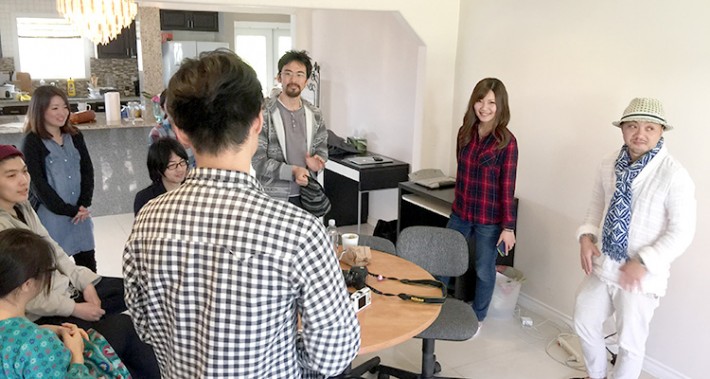
Photos from the interview
This page is an English overview of Frog’s Japanese interview—not a full translation. Read the original interview (Japanese)