
Interview overview
When a Yoshimoto Stage Career Becomes a Vancouver Frontend Seat
Nine years in comedy, years in facility management, then WordPress nights—and a CICCC pivot that finally made Shota a startup frontend engineer.
Shota’s résumé does not look like a typical engineer’s origin story. After friction through high school and university he trained at Yoshimoto’s NSC and freelanced as a comedian for about nine years—nearly all of his twenties. Around twenty-seven or twenty-eight he quit, spent about a year visiting the United States through his sister, then moved into dispatch work and roughly five to six years at a company operating hotels and super sento facilities. He rose into HR, finance, and store management before walking away again when that life also stopped fitting.
What pulled him next was making things. He taught himself HTML and CSS to build WordPress e-commerce for bike uniforms and discovered he preferred building to selling. At thirty-three or thirty-four he spent about a year updating corporate WordPress sites part-time by day and working nights at a friend’s restaurant. JavaScript before Canada was mostly animation libraries. Attributes still classify him as an inexperienced engineer hire when he crossed the Pacific—courage without a conventional IC track record.
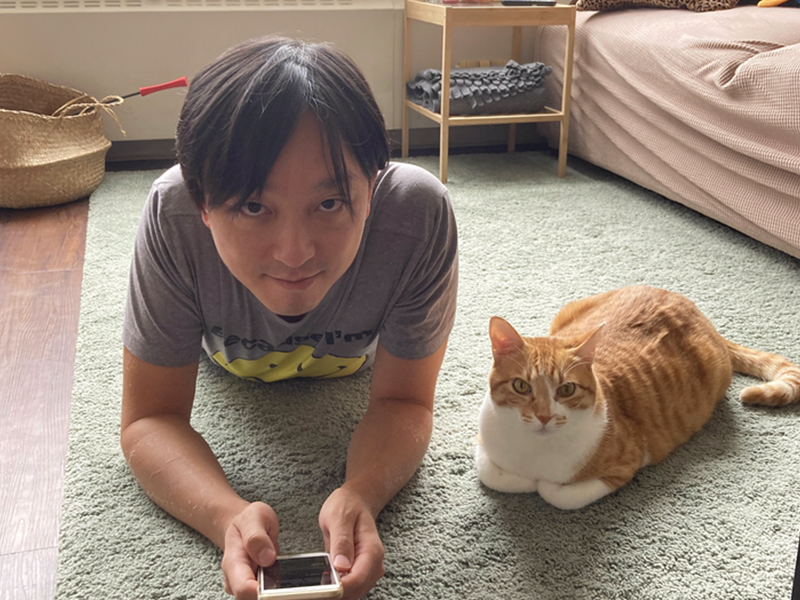
His wife wanted to live overseas; he found Frog through Senna’s blog. Pre-departure English was thin—light TOEIC and DMM study for two or three months. They moved together with their cat, turning the leap into a household project rather than a solo escape. At CICCC he had planned a web track but chose mobile for a strong instructor, covering Java, Android, Swift and related topics across a year of study plus a year of Co-op. Most classmates already had three to five years of experience. Age closed working-holiday eligibility, so Co-op visa timing mattered. An early iOS hunt exhausted about forty résumés; then he audited juniors’ React classes and pivoted toward frontend work the market would actually answer.
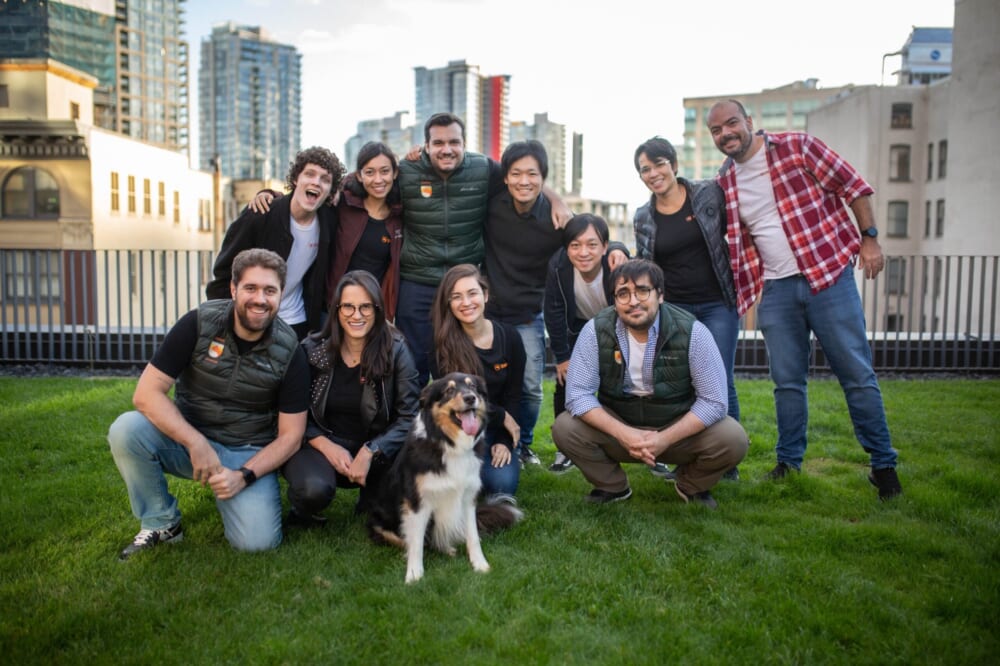
Hiring for the Vancouver startup that took him included an on-site café coding interview with React, Node, and Express-style tasks and little algorithm grilling—around September 2019, before COVID. The early team was roughly four people in Vancouver plus backend help in Brazil; later it grew toward about twenty. He shares frontend with another Japanese engineer. The company could support an immigration filing, which mattered as much as the stack. He notes that Canadian searches rarely asked his age—an absence that still surprises people who internalized Japan’s age gates.
Spouse support runs through the interview as a quiet constant. From comedy clubs to facility offices to a café whiteboard, the continuous thread is willingness to restart—again—when the previous life no longer fit, and to let a partner’s overseas dream become a shared engineering one.
He is candid that the mobile year was not wasted even after the React pivot: Android and Swift coursework built confidence around unfamiliar tools, and the café interview rewarded practical product wiring over textbook algorithms. Immigration support from the employer turned a late-thirties leap into something administratively possible, not only emotionally brave.
Photos from the interview



This page is an English overview of Frog’s Japanese interview—not a full translation. Read the original interview (Japanese)