
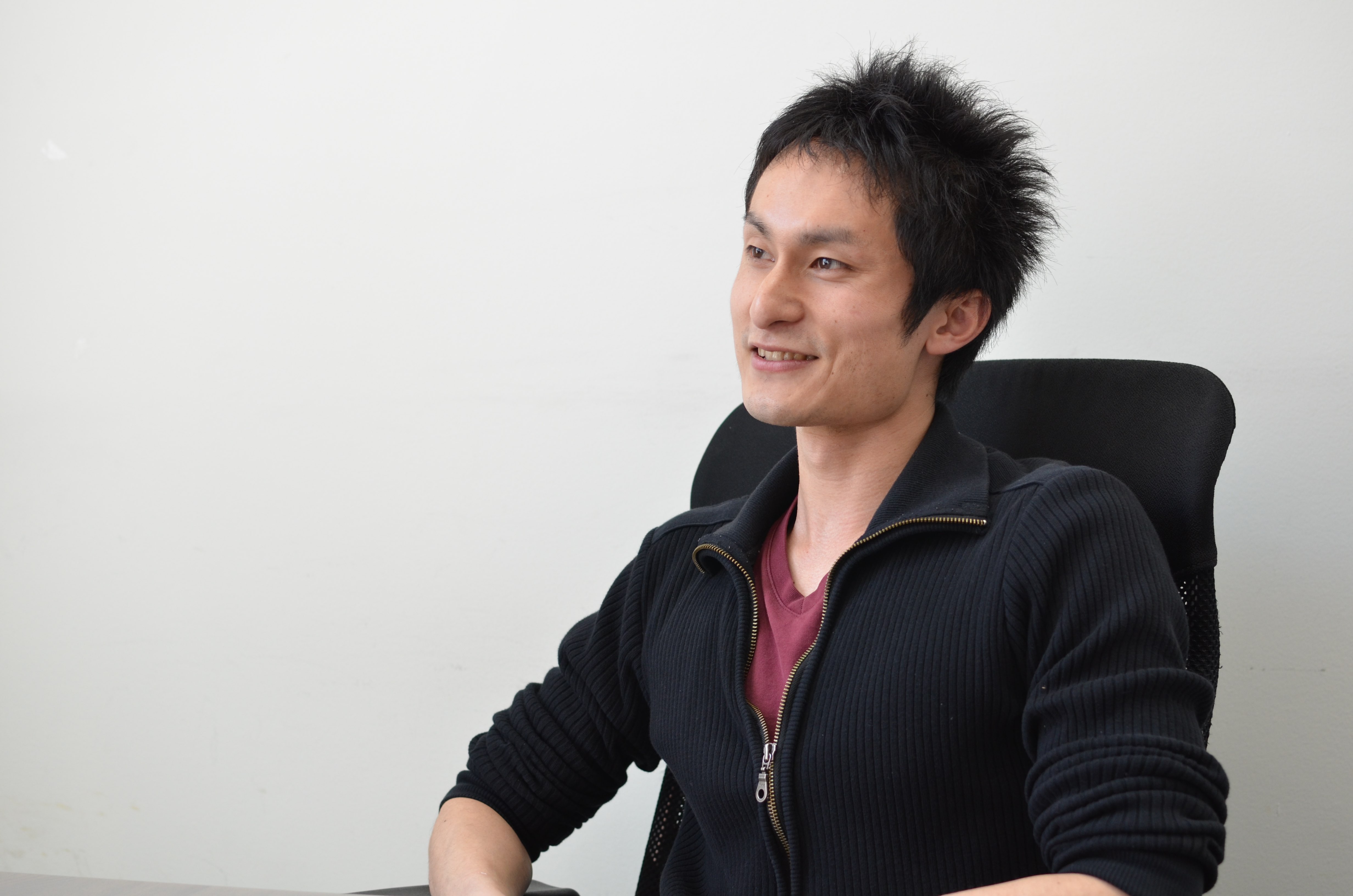
Interview overview
Toru’s Year at VanArts—Then Fuse Before the Working Holiday Ran Out
Three years as a Japan network and server engineer, a one-year VanArts pivot into web, a first contract web role, and a junior developer seat at Fuse in about twelve months.
After university Toru joined a venture without intending an IT career and somehow became a network and server engineer for about three years. During job hunt he had vaguely wanted creative or web design work, but time pressure pushed him into the offered path. The mismatch lingered. Discovering Senna’s Vancouver web writing and Mana’s creator resources made another life feel concrete. He weighed Singapore against Vancouver and chose Vancouver for visa and permanent-residency realism.
VanArts won over BCIT for accessibility, English bar, and a curriculum balancing design, development, and marketing. He skipped ESL after strong pre-arrival English study and continued daily English for about six months after arrival. Days were intense: early language study plus long school hours. Class local-hire rates were low—two of fourteen including Canadians. Extra signal came from a UBC web design contest and Meetups. First search involved about seventy applications with career-advisor help and advice from Frog’s Timmy. The first role was contract in-house web for site renewal at a small Vancouver publishing company.
He left that seat when post-renewal work stagnated and the contract path looked weak for permanent residency and visa. Switching to working holiday, he moved to Fuse as a junior developer with about six months of working-holiday time left and earned discussion of work-visa support. Attributes record about twelve months to offer. At Fuse he describes design-to-backend ownership on real projects—junior title, wide surface area. He is interested in growing toward UX design and has considered a permanent-residency application even if long-term Canada stay remains undecided.
Attributes mark the web career as a career change despite infrastructure engineering background—the Japan years counted as a different craft. Toru’s interview is a study in sequential bets: leave servers for school, leave a stagnant contract for Fuse, and use the working-holiday countdown as fuel rather than panic alone.
UBC contest work and Meetups were how he manufactured signal when class hire rates stayed low. The publishing-company renewal taught him real shipping—and also taught him when a contract seat stops compounding toward visa and PR goals. Fuse’s junior scope with design-to-backend ownership became the corrective: wider craft, clearer sponsorship conversation, working-holiday months used deliberately.
Singapore’s visa wall and VanArts’s accessible English bar jointly explain the school choice. Seventy applications for the first web seat, then a deliberate exit when renewal work and contract status stopped compounding, show he could both grind and quit strategically. Fuse arrived with working-holiday months left—a countdown used as leverage for junior ownership and visa-support talks rather than as pure panic.
Photos from the interview
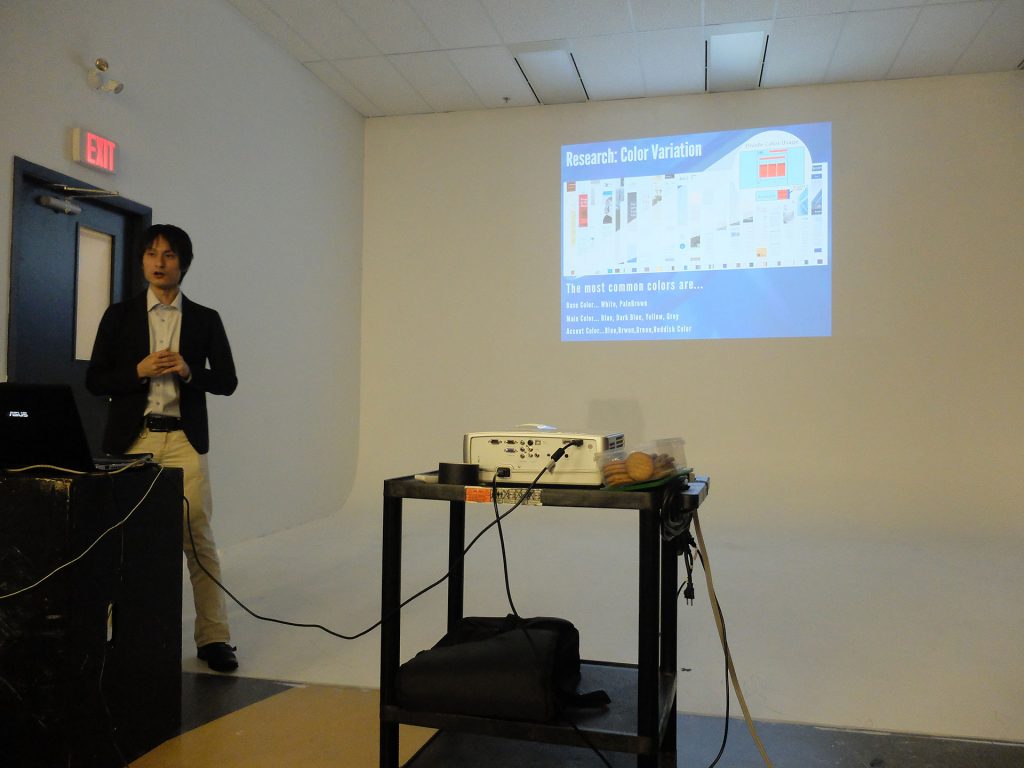
This page is an English overview of Frog’s Japanese interview—not a full translation. Read the original interview (Japanese)