
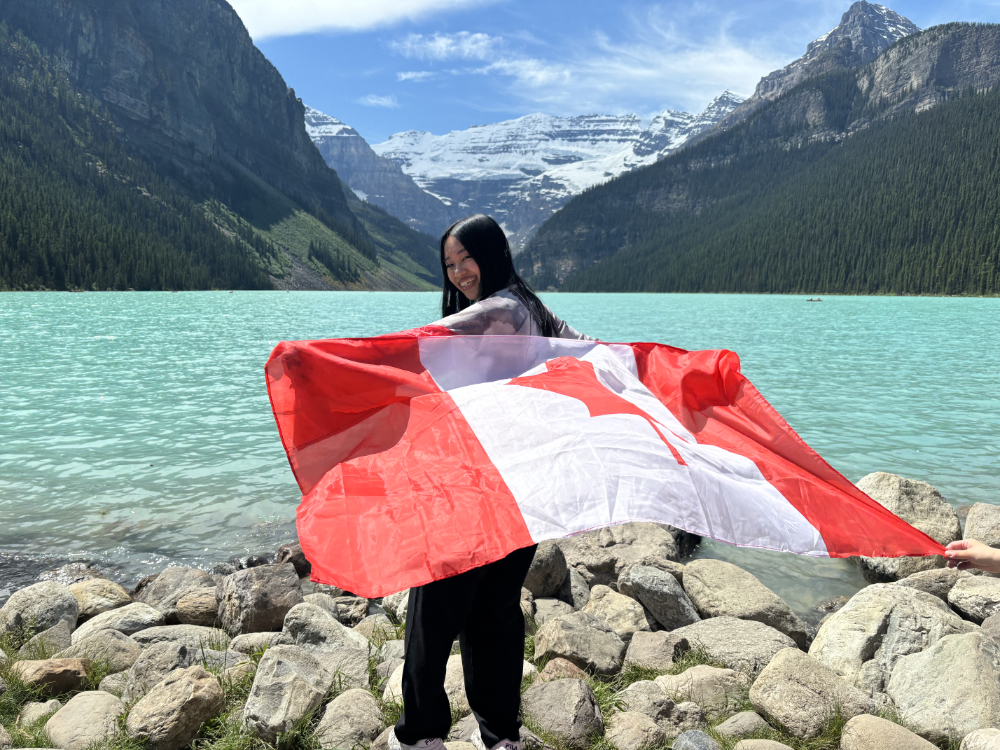
Interview overview
Yoshika’s Canada design chapter—and the Japan restart that followed
She crossed to Canada to stretch a young design career abroad, hit a frozen hiring market, did everything she could locally, then brought the lessons home to product design at LITALICO.
Yoshika’s overseas chapter was never framed as a guaranteed landing. She left Japan wanting design work with real product proximity—UI/UX more than pure graphic polish—and arrived while Canadian hiring was cold. What stands out in her telling is not a fairy-tale local offer. It is the stubborn checklist: portfolio, interviews, applications, remote client work, even a short unpaid “internship” she walked away from when it felt like free labor. Eventually she moved the search back to Japan and joined LITALICO as a product designer, arguing that the messy Canadian stretch still sharpened how she job-hunts and how she designs day to day.
Frog first heard from her in December 2021. Fresh into a design seat after graduate school and a new-grad start at an organizational HR consulting firm, she wrote that she wanted a design career change in her twenties and overseas work experience. The move into design had not been a self-declared crusade: it was an internal transfer timed to aptitude and department needs. She accepted it gladly—she already had private interest in design and treated paid on-the-job learning as luck. An eight-year-old TOEIC 550 looked grim on paper; once school was chosen she ran three to four months of exam-focused study plus online conversation practice and scraped to about 850. Speaking was another matter. She calls herself a test-English type with almost no speaking runway until she forced online lessons before departure.
Designer versus engineer was a live debate. Frog articles made clear how scarce design roles abroad could be, and graduate-school Ruby tinkering made an engineering entry door tempting as a later bridge back to design. She refused to board undecided. After roughly half a year of weighing options while accumulating design reps in Japan, she locked onto design. Country choice was largely elimination by visa practicality—the United States looked hard, other long-term paths looked awkward, Australia stayed in the maybe pile, and European options such as Germany stalled on sticker shock. For school, long-stay design Co-op options were thin: Langara versus CICCC’s one-year Co-op path. Cost and Co-op tipped her to CICCC. She solidified around spring 2022 and left in 2023 after about a year of prep, carrying roughly a year and a half of Japan design experience that skewed graphic and web more than deep application UI/UX. Dribbble pieces Senna assumed were post-Canada work were, she says, mostly from before she left.
CICCC’s first half felt strong—overview, tools, team projects. The second half drifted toward coding, engineering, and project-management survey material, and she wonders aloud whether a six-month design course would have been enough. Outside class she stacked Japanese restaurant shifts about two days a week, remote Japanese freelance and former-employer work, and portfolio building. Freelance leads came from a Design Ship community connection, an entrepreneur friend, freelance marketplaces, YOUTRUST, and Wantedly. One unpaid volunteer role at an obscure non-Japanese company ended quickly once she decided it was not building craft or references.
Local job search intensified around January and February 2024, still deep in recession air. She started applying only two to three months before Co-op—later than she wished—and spent roughly half a year in apply-only limbo before interviews arrived a few months into Co-op. Layoff stories outnumbered hire stories; as a junior she felt the squeeze and kept asking what unique edge she could actually fight with in Canada. She had decided in advance that “try local employment” was a core purpose, so she pushed until she could say she had done what she could—including competing with friend Yuna for the same scarce, Japanese-advantage role at a US company. That contest, oddly, helped her feel finished enough to switch.
The switch was Japan. Canadian full-time hire is not the ending she narrates; LITALICO product design is. What she carries forward is preparation doctrine: finish in Japan what you can finish in Japan, accept that markets have a luck layer you cannot bully into fairness, and treat an overseas attempt as evidence gathering rather than a single pass/fail stamp on your identity.
Photos from the interview
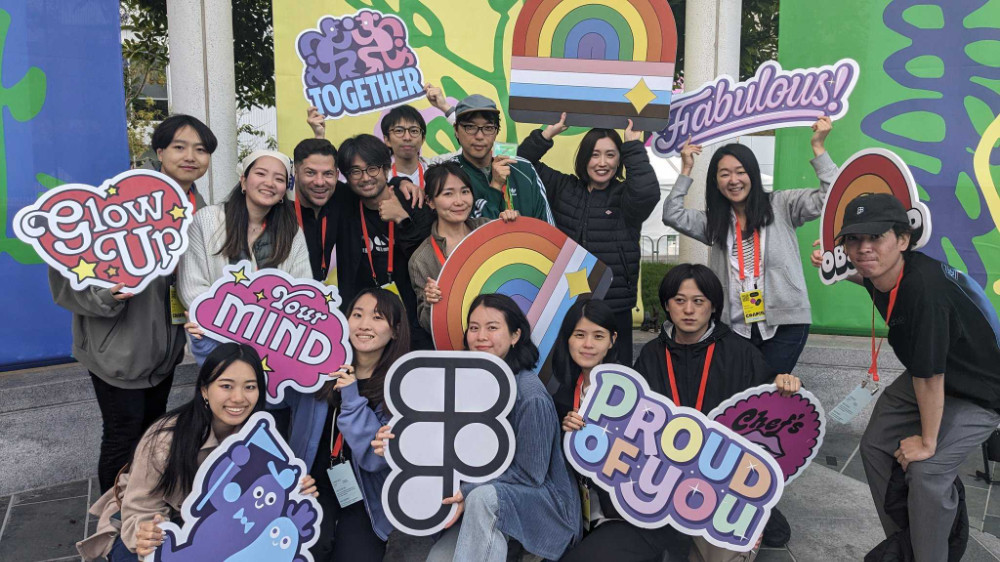

This page is an English overview of Frog’s Japanese interview—not a full translation. Read the original interview (Japanese)