
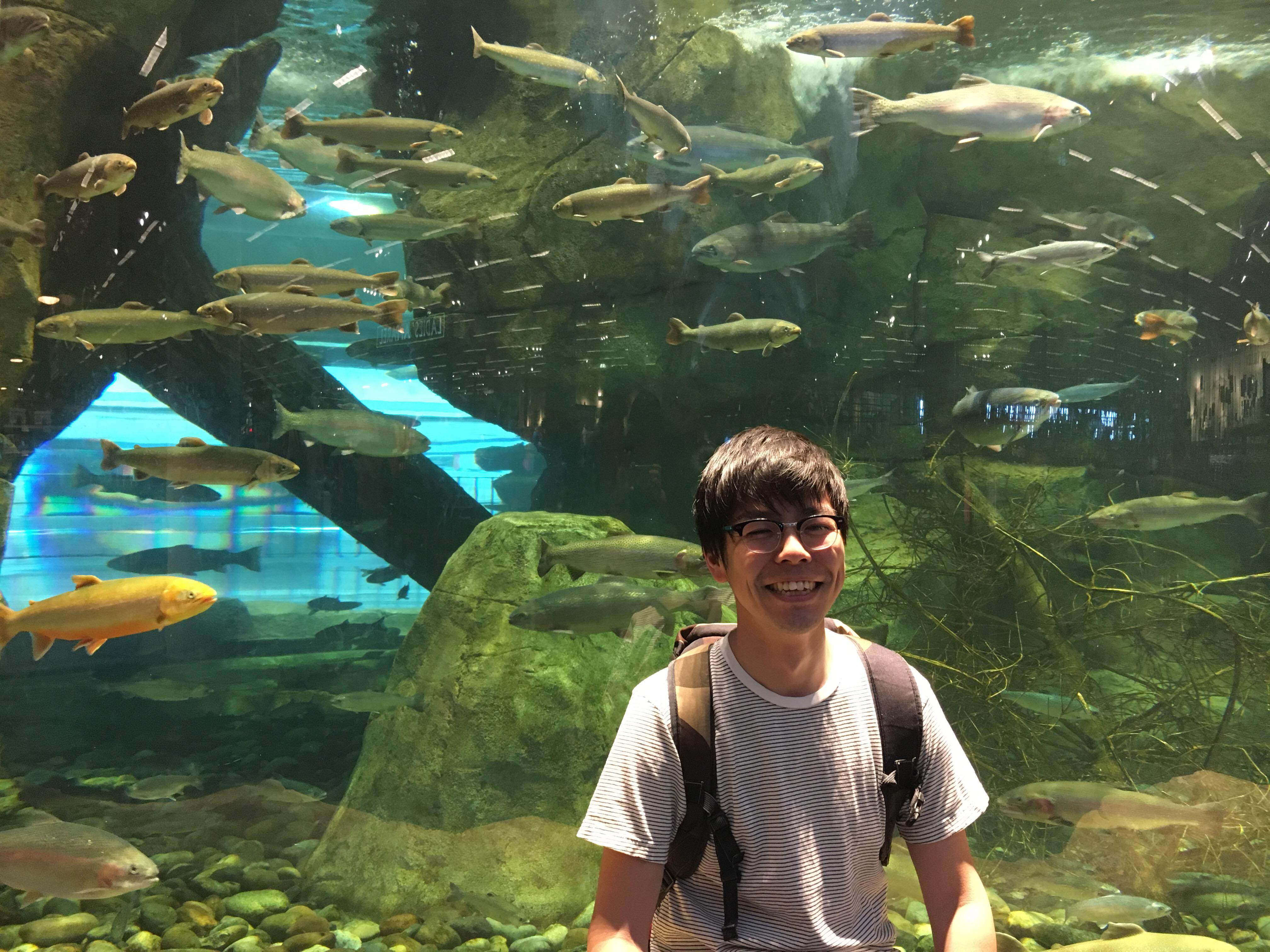
Interview overview
Yuki’s language-school-to-Picnnic arc—and the permanent-residence negotiation he wished he started sooner
An experienced Japan iOS developer entered Vancouver as a tourist, spent about four months in language school, switched to working holiday, and joined Picnnic in roughly a month—then learned how costly hesitation on visas and salary can be.
Yuki’s pitch to other experienced candidates is oddly calming: experience helps, but it does not mint a local offer by itself. In his thirties in Vancouver, he works as an iOS developer at Picnnic on a working-holiday-rooted path that attributes clock at about five months to offer. The sequence was tourist entry, roughly four months of language school, a switch to working holiday, and a job hunt that closed in about a month—faster than he expected, sharpened by the visa’s ticking clock.
Immigration improvisation runs through the whole story. He applied for working holiday from Japan before he knew Frog, wrongly assuming he needed it simply to enter, and still regrets not learning earlier that study time plus working holiday can stack into a longer runway. Near the end of working holiday he decided he wanted permanent residence, only to learn the process can take one to two years. A consultant steered him toward a work permit first; with too little holiday time left to file PR cleanly, the company supported a two-year work permit. A year into that permit he was advancing a BC PNP application expected to take about one to one and a half years. The sharper regret is cultural: he delayed PR talks after joining because he did not yet understand Vancouver norms and hierarchy, then delayed salary talks for about two years—only to see pay rise quickly once he finally asked. In a startup without Japan-style automatic review cycles, silence is treated as contentment.
English remains unfinished business. Daily engineering work is manageable; brainstorming free-for-alls and lunch-table native chat still snag him, and workplace pronunciations—SQL landing as something like “sequel”—blindsided him at first. Language school placed him at level five of eight; after a month he leveled up and shifted toward IELTS with PR in mind. Before Vancouver he spent about half a year unemployed preparing: RareJob sessions on conversation and news opinions, Indeed scans for iOS demand and pay, light Android practice because postings often wanted both, GitHub activity he had neglected, and a portfolio iterated with Frog feedback until arrival left mostly English polish.
The hunt mixed phone screens he found brutal with onsite conversations. At least one paper algorithm test ended in failure; later he wished he had emailed a worked solution afterward the way other Frog alumni describe. He prepared from public GitHub interview question banks and mental simulations, and when English explanations failed he borrowed a whiteboard and drew. Spring timing, he thinks, beat the autumn graduate flood, and local iOS supply was thin enough that shipped product experience mattered. About fifteen applications drew roughly ten replies. He insists portfolios show real apps—launched, with push and payments—not half-built demos. His own iOS work was rewritten from Swift 2 to Swift 3 partly as study.
At Picnnic the early team was essentially the CTO and him. He launched on iOS, then helped carry Android and web until the product covered all platforms, teaching specialists who only knew one stack while technical debt waited for time that never quite appeared. Hours run flexible—arrive around nine or ten, leave around five or six, about eight-hour days—with flat debate culture versus Japan’s approval ladders, and occasional company activities that cut the afternoon short. Outside the company’s frontend focus he studies backend, GraphQL, and Flutter when mood and time align, and after performance feedback urged more speaking practice he presented at an internal engineering meeting and restarted RareJob.
What separates people who land roles, in his view, is less mystique than preparation plus forward motion: research demand before you fly, close skill gaps while you still have Japan time, ship complete artifacts, and ask early for the visa and compensation conversations you will otherwise postpone out of politeness. He got the job. He still edits the parts of the story where he waited too long to speak up.
Photos from the interview

This page is an English overview of Frog’s Japanese interview—not a full translation. Read the original interview (Japanese)