
Interview overview
Yuya at Ramen Hero: a US startup seat from Vancouver when the visa path stalled
A senior lead engineer who built early React Native products in Japan, joined a Bay Area ramen ecommerce startup remotely, and later relocated to Vancouver under a PEO so he could share US Pacific time without inventing a gray-area workaround.
Yuya’s path into software began at Future University Hakodate, an IT-focused school where he majored in artificial intelligence and studied everything from C to Prolog-controlled robot competitions he found less exciting than the work outside class. When a professor recruited student founders, he raised his hand—partly because he wanted to earn money with programming rather than a conventional part-time job—and spent about two years running a student web-production company with classmates. The stack was HTML, CSS, Flash, and PHP in the Web 2.0 era, including sites for seafood restaurants near Hakodate’s morning market. Graduate school pulled him into cognitive psychology: the idea that you cannot design intelligence without understanding how people think. Usability language existed then, but UX as a mainstream frame was still emerging; he still talks about Apple’s skeuomorphism as a cultural turning point and says the research years remain something he would happily return to.
After graduate school he interned on CyberAgent’s Ameba Pigg team, drawn to the creators there, and joined full-time in 2012. He landed on Ameba platform work rather than Pigg itself. Flash still powered parts of that world just as HTML5 and Node.js were rising, so he steered toward JavaScript-centered teams and stayed about two and a half years. The large-organization feel eventually grated; he wanted room to show more of himself as an engineer. Around 2014–15 he moved to Coiney, a fintech startup building Square-like smartphone credit-card payments for Japan (later integrated into hey). The team was strikingly international—colleagues from Brazil, Iceland, Australia, the United States, the United Kingdom, and more—and he built store-facing admin tools on Angular 1 when that stack was still the startup default.
One product problem stuck with him: merchant credit-review intake forms were painfully long. With no spare mobile engineers, he proposed carving that flow into an app and shipped it alone on then-new React Native as the Coiney intake app (Coiney Madoguchi), turning a tedious process into a tap-through completion path. He believes it may have been among Japan’s earliest company React Native releases and even landed the app on React Native’s official showcase via a pull request in 2016. That momentum fed a stronger wish to work abroad. Quipper—founded in London by a DeNA co-founder and known for Quipper and Study Sapuri—offered elite peers and a free-location policy that could send people to London, Manila, Jakarta, or Mexico for three months. He joined aiming for London exposure, but arrived after Recruit’s acquisition; the culture tilted Japan-centric, London developers began coming to Japan instead, and the overseas chapter he wanted slipped away.
Two forces kept the overseas drive alive: a British professor whose worldview differed sharply from what he was used to in Japan, and a conviction that most IT innovation still originates in the United States. While job hunting—including an offer from an English-first foreigner-heavy team in Japan—he spotted a social post about US engineering hiring, opened a PDF job description from a Bay Area company founded by Japanese founders, and applied immediately, leaning on his React Native background. That company, Chomp, was not the right skill match, but its founder Kiyo introduced him the following week to Hiro, the founder of Ramen Hero. Ramen Hero needed web talent for ecommerce. Yuya interviewed in Japanese with Hiro when the team was tiny—he was about the third employee—and joined while still in Japan on a remote stipend with promised US visa support.
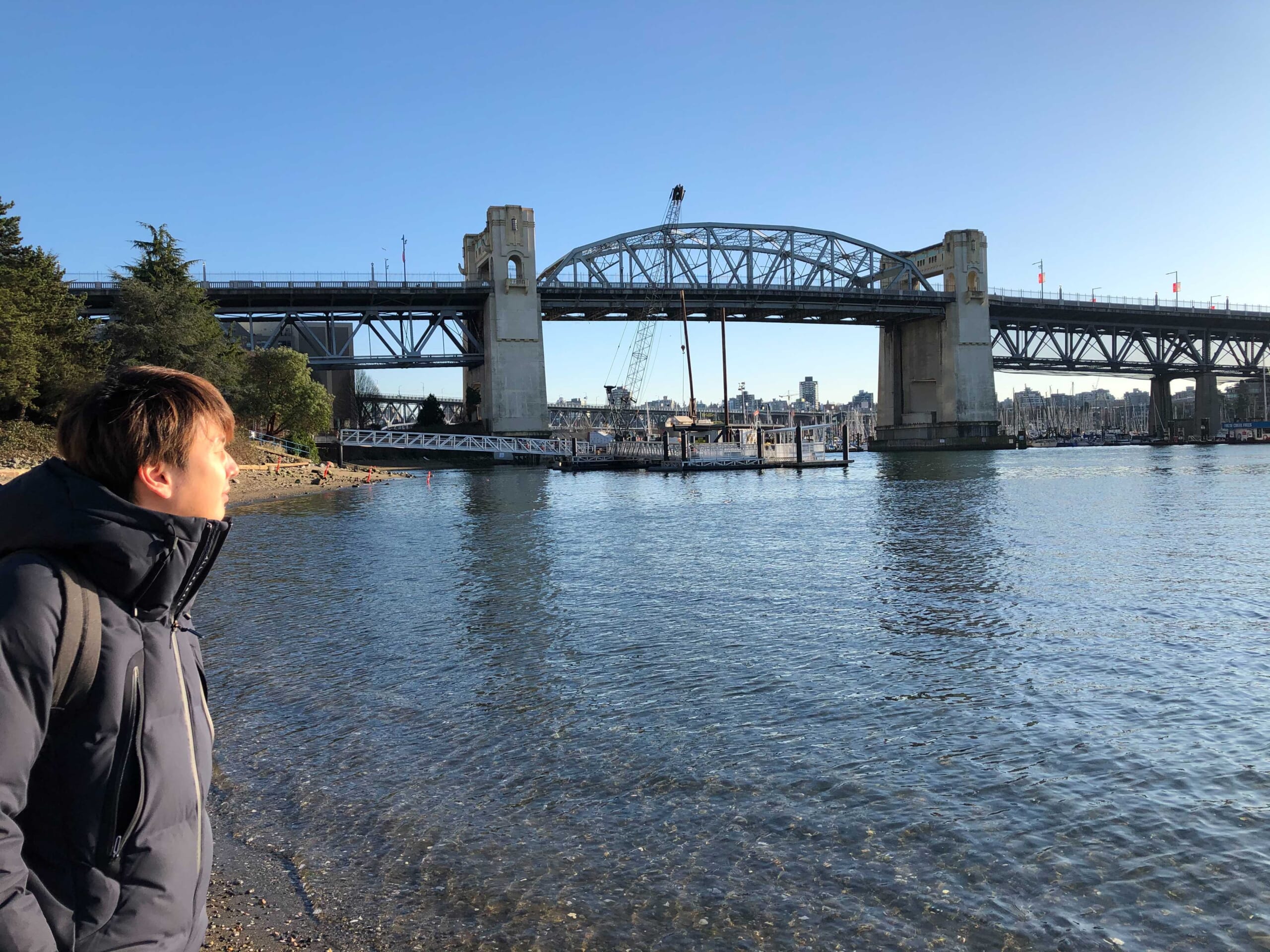
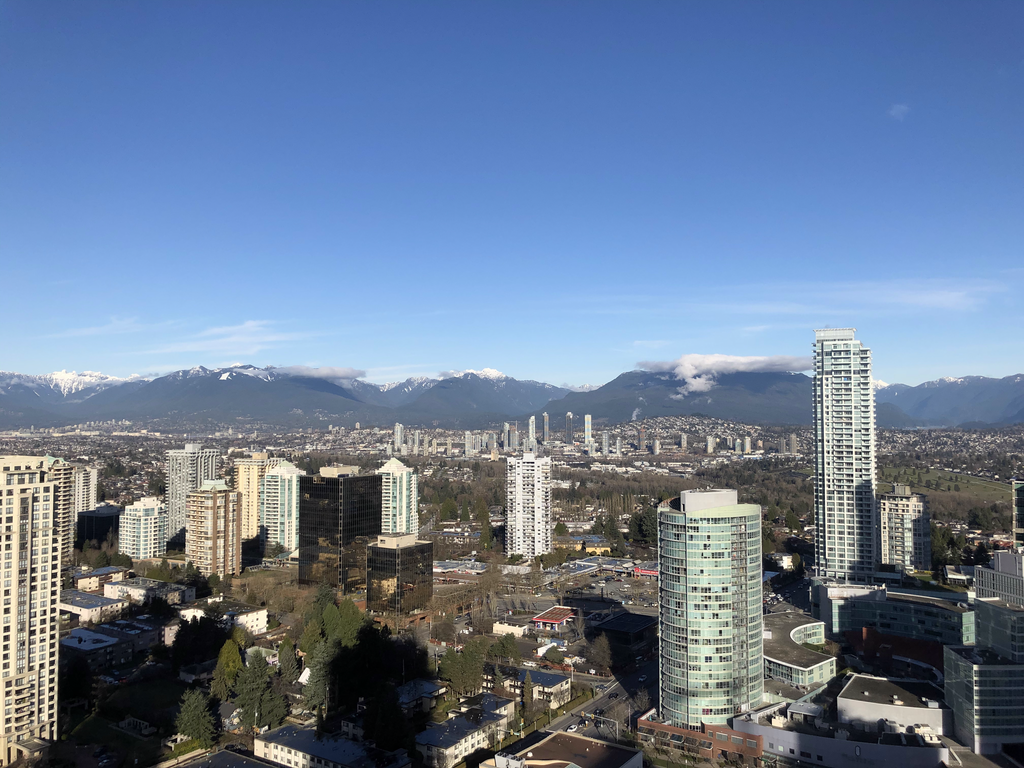
The intended US path leaned on a small-company E-2 style route that became much harder under Trump-era conditions. He spent roughly two years remote from Japan instead, coordinating across a painful lag: West Coast early evening landed late at night in Japan, and real-time collaboration meant early mornings that clashed with how he preferred to code. Company immigration counsel had mentioned Vancouver as a remote option early on; he first dismissed it as possibly illegal. When the Japan–US lag became unsustainable, he dug in—talking with a CyberAgent-era junior already in Vancouver, finding Frog, and checking PEO arrangements with counsel and Canadian authorities until the setup looked legitimate. He relocated to Vancouver under a PEO so he could keep the US employer relationship, share Pacific time, and work without assuming a gray area.
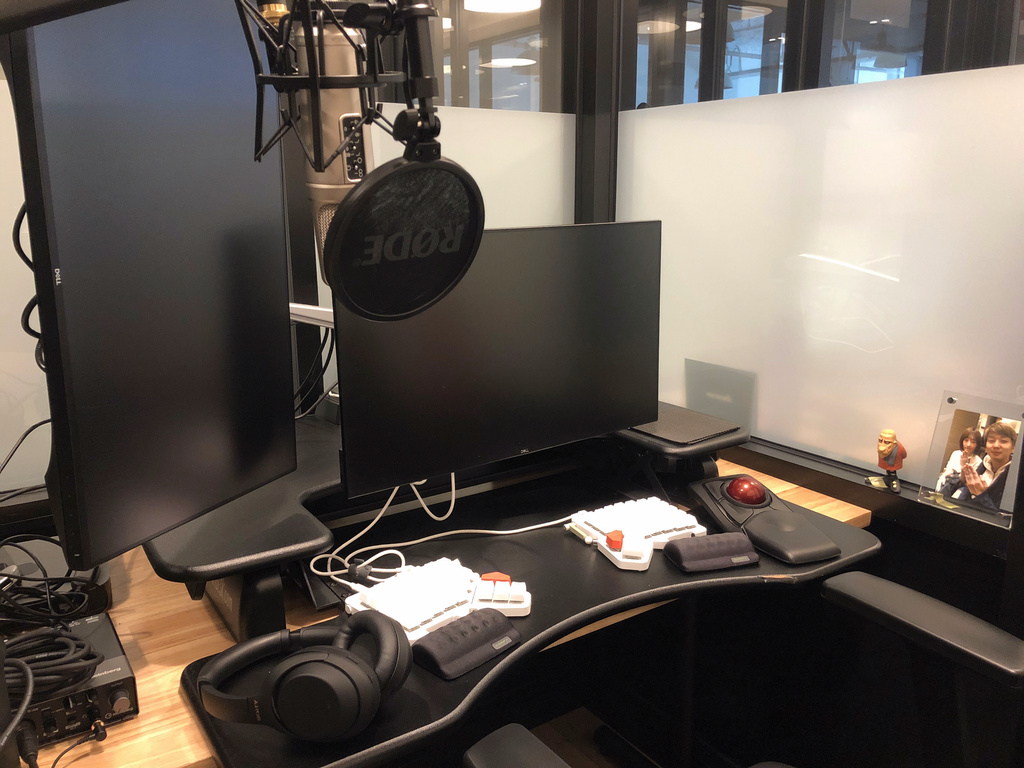
Day to day he is a senior lead engineer on Ramen Hero’s frozen-ramen ecommerce stack: development and improvement of the online store, inventory work, and close collaboration with marketing on ideas such as SMS text ordering, reading numbers together and shipping features when they make sense. Living in Vancouver—including WeWork days—removed the constant time-zone calculus. English communication is still effortful; he says classroom lessons alone never stuck, and his speaking and listening improved mainly after more in-person meetings in Vancouver. He is deliberate about saying what must be said even when the wording is imperfect, and he credits Japan product experience for helping him hold that line. Working with US colleagues pushed another habit: always answering “why,” putting titles and context into Slack instead of raw impulses, and treating follow-up as normal. Looking ahead, separate from current duties, he is curious about shifting toward AI engineering as no-code tools reshape how much traditional software work remains—an exploratory interest rather than a completed move. For engineers chasing US employers when direct visas stall, his story is less a shortcut than a documented alternative: deep Japan product craft, a remote hire into a Bay Area startup, then a lawful Pacific-time base in Vancouver.
Photos from the interview
This page is an English overview of Frog’s Japanese interview—not a full translation. Read the original interview (Japanese)